.svg)


.svg)
.svg)

.webp)










- Loading...
Jacob D. Fuchsberg Law Firm: Standing Up for Civil Rights in New York
The Jacob D. Fuchsberg Law Firm was founded by Judge Jacob Fuchsberg, who won the first million-dollar verdict in the country and later served on the New York Court of Appeals, the state's highest court. That legacy of pushing the law forward continues today in our civil rights practice.
Our attorneys have recovered millions of dollars for civil rights victims across New York and beyond, including a $3 million settlement against the Federal Bureau of Prisons in an inmate sexual abuse case.
Members of our team have been named among Forbes's "Best Personal Injury Lawyers in NYC" and recognized by Super Lawyers, and they serve on the boards of New York's leading trial lawyer associations. We handle every civil rights case on a contingency fee basis, meaning you’ll pay nothing unless we recover compensation for you.

.svg)
Meet Our Attorneys
What Are Your Civil Rights?
Everyone living in New York has the right to be free from discrimination in housing, employment, education, and public accommodations, and the way the law is applied to them.
Although some might try to get you to see things differently, freedom from discrimination in every sector is your birthright as an American. This is true whether you were born in this country or not. Additionally, characteristics such as age, race, gender, and disability are protected under various federal and New York state laws.
Where Do Civil Rights Come From?
Unfortunately, civil rights have not always been easy to come by. It seems every generation has had to fight for the right to equal treatment under the law by staging protests and pressuring lawmakers to pay attention to the problem.
The Civil Rights Act of 1964, the Voting Rights Act of 1965, and the Age Discrimination Act of 1975 are just some examples of the above. Although these and other civil rights laws have existed for decades, that doesn’t mean that people still don’t receive unfair treatment and occasionally require the assistance of a New York civil rights lawyer.
What Are Civil Liberties?
Civil liberties and civil rights are basic freedoms guaranteed to every individual under federal and New York law. While civil rights protect people from discrimination based on one or more identifying factors, civil liberties are a type of limited freedom that protects people from intrusion by the government. Some states afford their citizens greater civil liberties than others.
You have the legal right to work with a New York civil rights lawyer if you feel that the state has violated your basic human rights in some way.
Civil Rights vs. Civil Liberties
Civil rights protect individuals from discrimination based on who they are. Civil liberties, meanwhile, are a broader category of freedoms that protect people from government overreach, such as the right to free speech or peaceful assembly. Both can be violated, and both can give rise to legal claims.
Civil Rights Cases We Handle in New York
Prisoners' & Detainee Rights
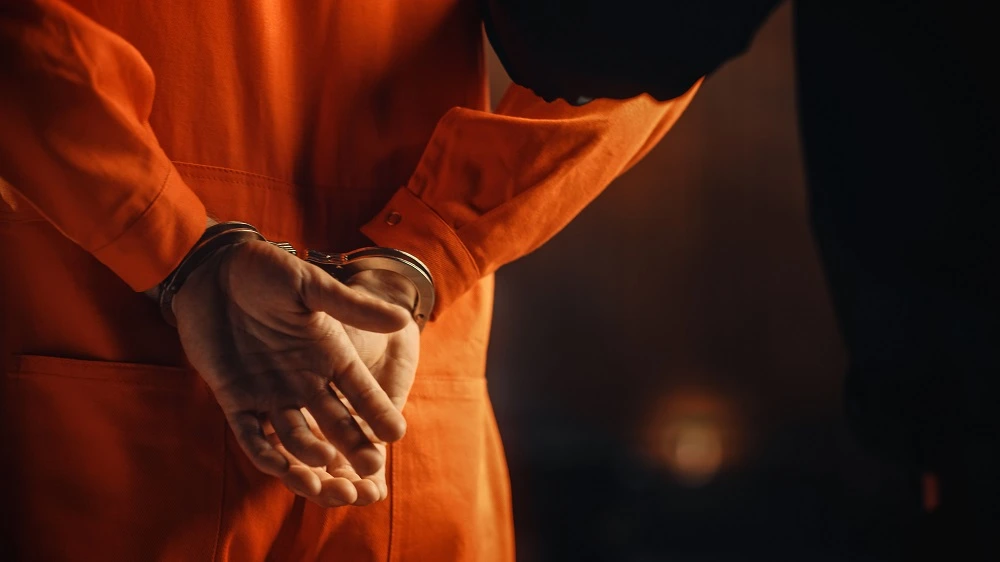
Incarceration doesn’t void constitutional protections. People held in jails, prisons, and detention facilities retain the right to be free from physical and sexual abuse, the right to adequate medical care, and the right to safe conditions of confinement.
When corrections staff use excessive force, ignore a serious medical need, or fail to protect someone from a known threat, the facility and the government entities that run it can be held accountable.
We represent individuals, as well as the families of those who have been involved in such cases as:
Prison Abuse
People in custody keep basic constitutional protections. When guards use excessive force, ignore a known danger, or retaliate against someone for reporting mistreatment, the facility can be held accountable.
Prison Injuries
Assaults, falls, unsafe conditions, and a failure to protect someone from a known threat can cause serious injuries behind bars. A facility that disregards a substantial risk of harm may be held liable.
Prison Sexual Assault
Sexual abuse in custody is never part of a lawful sentence. The federal Prison Rape Elimination Act (PREA) requires facilities to prevent and respond to it, and one that ignores a known risk or fails to supervise staff can be held accountable. Our firm recovered a $3 million settlement against the Federal Bureau of Prisons in an inmate sexual abuse case.
Prison Medical Malpractice
People in custody depend entirely on the facility for medical care. Under Estelle v. Gamble, deliberate indifference to a serious medical need violates the Eighth Amendment. We bring these cases under Section 1983 and, for federal facilities, the Federal Tort Claims Act.r the Federal Tort Claims Act against federal institutions such as the Bureau of Prisons.
Wrongful Death in Prison
When a death in custody follows untreated illness, violence, or ignored warning signs, the family may bring a wrongful death claim. In New York, the estate usually pursues it.
Police Misconduct and Brutality
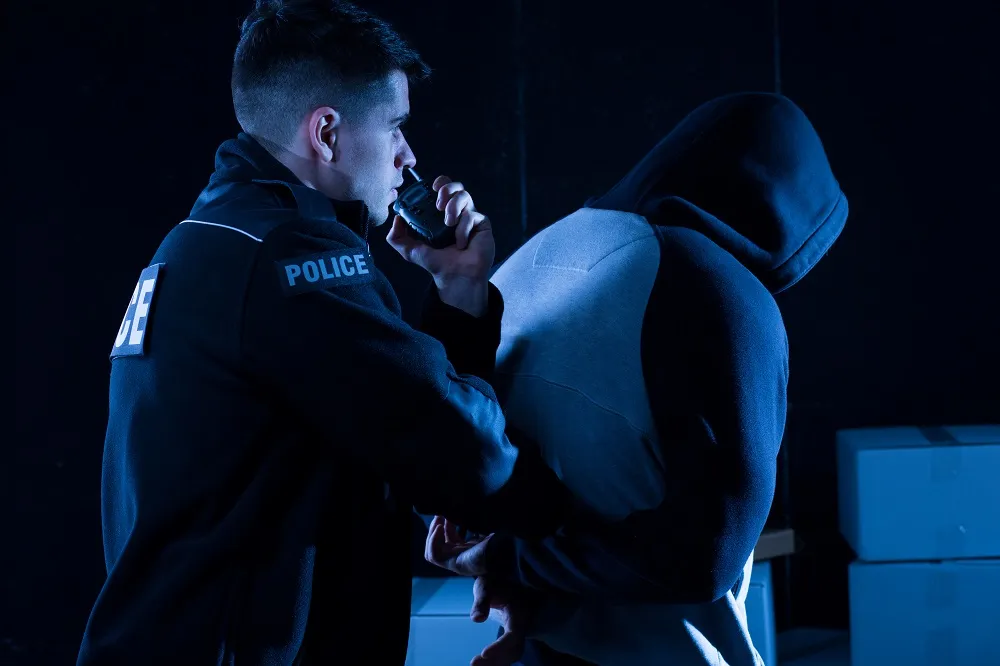
Most New York City police officers take their oath seriously. However, a few may abuse their authority, and the resulting harm can be life-altering. Police misconduct remains one of the most frequently litigated civil rights issues in the city.
We hold officers and the agencies that employ them accountable. Our team handles cases involving:
- Police misconduct
- Wrongful arrest
- Malicious prosecution
- Sexual assault in custody
- Medical malpractice in custody
The U.S. Department of Justice enforces the federal law that makes it unlawful for officers to deprive people of their constitutional rights, and individuals can also bring their own claims for damages. Our attorney, Jaehyun Oh, manages police brutality and prisoner rights matters for the firm.
Advocacy for Injured Detainees in ICE Custody
Non-citizens and immigrant New Yorkers held in federal immigration detention centers retain strong constitutional and statutory protections. People in ICE custody are frequently subjected to serious injustices: physical abuse by officers, denial of adequate medical care, and injuries that go unaddressed for weeks or months. Our civil rights attorneys evaluate claims arising from federal immigration detention, including actions under the Federal Tort Claims Act, to ensure that survivors of abuse in ICE custody have access to legal recourse and the compensation they deserve.
Facing Civil Rights Violations in New York?
Our experienced attorneys at Jacob Fuchsberg Law Firm are ready to help you navigate your legal options.
Schedule a Free ConsultationEmployment Discrimination and Retaliation
New York law prohibits employers from making decisions based on an employee's race, gender, age, disability, sexual orientation, religion, national origin, or other protected characteristics.
Employment discrimination can affect hiring, pay, promotions, working conditions, and termination. We handle claims involving:
- Age discrimination: The ADEA protects workers over 40, and the OWBPA bars cuts to older employees' benefits.
- Sex, gender, and pay discrimination: The Equal Pay Act and the New York City Human Rights Law require equal pay for substantially similar work.
- Sexual orientation and gender identity discrimination: In Bostock v. Clayton County, the Supreme Court confirmed that Title VII protects LGBTQ+ employees, and New York City law goes further.
- Race and national origin discrimination: Refusing to hire or promote, demotion, a hostile work environment, or unjustified English-only rules based on accent or ancestry.
- Sexual harassment: Unwanted advances, demands for sexual favors, and lewd or hostile conduct in the workplace.
- Retaliation: Punishing an employee for reporting discrimination or taking part in an investigation, through demotion, pay cuts, reassignment, or termination.
Housing and Public Accommodations Discrimination
Federal, state, and New York City law protect against discrimination in housing and in places open to the public. It is unlawful for a landlord, building, or business to refuse service, deny housing, or treat you differently because of your race, national origin, religion, disability, family status, gender, or another protected characteristic. We represent New Yorkers who have been denied an apartment, refused a reasonable accommodation for a disability, or turned away from a public business because of who they are.
Other Civil Rights Cases
We also represent New Yorkers in a range of other civil rights matters, including:
- Child abuse
- Foster care abuse
- False Claims Act (whistleblower) cases
- Stark Law claims
- Sexual abuse
- Wrongful conviction
- Misconduct by city officials
If your situation doesn't fit neatly into one of the categories listed here, that doesn't mean we can't help. Contact us to discuss your case confidentially.
How to File a Federal Civil Rights Lawsuit

Federal law gives individuals the right to sue when a government official violates their constitutional rights. To bring a claim under Section 1983 of the Civil Rights Act of 1871, you must demonstrate three facts:
- Another person violated rights guaranteed to you by the U.S. Constitution or a federal statute.
- That person was acting under “color of law,” meaning they were on duty and serving in their official capacity.
- The individual’s conduct directly deprived you of a constitutional right, federal statutory right, or immunity.
Liability can extend beyond the individual officer. If a municipality knew about misconduct and failed to act, engaged in negligent hiring practices, or maintained policies that encouraged unlawful behavior, you may also name it as a defendant in your claim. Our attorneys can evaluate your situation and explain whether you have a viable case.
What Compensation Can You Recover?
Civil rights cases can result in several forms of financial recovery, depending on the nature of the violation and the harm suffered. You may qualify to receive the following types of damages:
- Economic damages: Cover medical expenses, lost wages, and other out-of-pocket losses directly resulting from the violation.
- Non-economic damages: Address the broader impact on the claimant’s life, including pain and suffering, emotional distress, and loss of enjoyment of life.
- Punitive damages: May be awarded in cases where the defendant's conduct was especially egregious as a deterrent against future violations.
Additionally, federal law often makes attorney's fees recoverable in successful civil rights cases. That means you may be able to pursue a claim without paying any legal costs out of pocket.
Time Limits for Filing a Civil Rights Claim in New York
Prompt action is vital in civil rights claims. These legal procedures are subject to statutes of limitations, or time limits, that vary depending on the type of claim and the defendant involved.
Section 1983 claims in New York are generally subject to a three-year statute of limitations from the date the violation occurred. Claims against municipalities may require a Notice of Claim to be filed within 90 days of the incident, and the lawsuit itself must typically be filed within one year and 90 days of the incident.
If you were wrongfully convicted of an offense and your conviction has since been overturned, you may have a separate claim under Section 8-B of the state’s Court of Claims Act.
Missing one of these deadlines can derail your claim before it even gets started. If you believe your rights have been violated, contact our office as soon as possible.










.svg)
.svg)



.avif)