.svg)


.svg)
.svg)
.webp)












- Loading...
.svg)
Our Rose M. Singer Center Abuse Lawyers Help Survivors Move Forward
Being abused by someone who controls your food, your movement, and your safety leaves marks that don't show up on paper. Survivors of staff sexual abuse at Rose M. Singer Center commonly describe:
- Depression and ongoing anxiety
- Suicidal thoughts or self-harm
- Sexually transmitted infections
- Unwanted pregnancy
- Trouble feeling safe anywhere, even years after release
Shame and fear of retaliation keep many survivors quiet for years, and New York's current laws account for that delay. Jaehyun Oh and the firm's civil rights team have represented people harmed inside New York's jails and prisons and can walk you through what comes next without judgment.
.svg)
History of Abuse at the Rose M. Singer Center
A 2011-12 national survey by the U.S. Department of Justice's Bureau of Justice Statistics found that 5.9% of women held at the Rose M. Singer Center reported sexual misconduct by staff, more than three times the 1.8% national average for local jails. The report named it one of only twelve jails nationwide with a high enough rate to be flagged under the federal Prison Rape Elimination Act.
The Rose M. Singer Center opened on Rikers Island in 1988 as New York City's jail for women awaiting trial or serving short sentences. Sexual abuse is the most extensively documented problem there, but it is not the only one; the wider Rikers Island complex has also been placed under federal oversight over dangerous conditions unrelated to sexual misconduct.
That finding hasn't stood alone. Women held there have gone on to file lawsuits and reach settlements with the city over rapes, forced sexual contact, and retaliation by supervising officers. Several officers have been criminally charged, forced to resign, or fired.
By the time the Adult Survivors Act's filing window closed in November 2023, well over 700 lawsuits alleging sexual abuse by Rikers Island staff had been filed against the city, most involving women held at Rose M. Singer Center, seeking damages in the billions of dollars.
#cta_start
Were You Held at Rose M. Singer Center? We Should Talk.
Whether it happened last year or a decade ago, we'll review the facts and lay out your options in plain language, at no cost to you. Your free consultation is always strictly confidential.
#cta_end
Why Inmates Cannot Legally Consent to Sexual Contact with Staff
New York law treats sex between corrections staff and the people in their custody as a crime. Article 130 of the New York Penal Law defines sexual offenses and separately spells out when a person cannot give legal consent.
Under Penal Law § 130.05, a person held in the custody of a correctional facility cannot consent to sexual contact with staff supervising that custody. It makes no difference whether the encounter looked voluntary from the outside, whether the person said yes, or what an officer claims after the fact. The power an officer holds over someone in a locked facility removes the legal capacity to consent.
This rule reaches correction officers, captains, wardens, medical staff, chaplains, contractors, and volunteers alike. A staff member who has sexual contact with a person in custody has committed a sex offense regardless of what either party later says about it. Our experienced Rose M. Singer Center abuse attorneys can walk you through which specific offense the conduct may fall under and provide an honest assessment of what that means for a civil claim.
Types of Misconduct We Investigate at Rose M. Singer Center
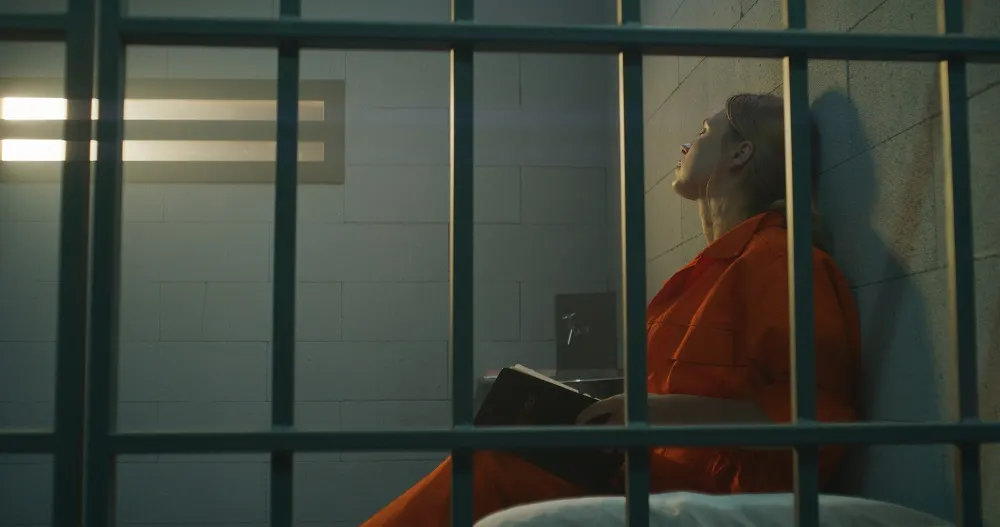
Abuse inside a jail doesn't always look like a single, obvious assault. Conduct that can support a claim includes:
- Rape or other forced sexual contact by an officer, supervisor, medical provider, or contractor;
- Coerced sexual contact, including sex traded for basic necessities, phone access, or protection from discipline;
- Groping or sexual touching during pat-downs, searches, or medical exams that has nothing to do with security or care;
- Sexual comments, propositions, or exposure by staff;
- Physical assault or excessive force by an officer, unrelated to any legitimate security need;
- Denial or delay of medical care serious enough to cause harm;
- Retaliation for reporting abuse, including cell reassignment, loss of privileges, or threats tied to your release date.
If what happened to you doesn't match any of these examples exactly, it may still qualify. Tell a Rose M. Singer Center abuse lawyer what happened, and let us sort out whether it fits a legal claim.
Confirmed Cases and Settlements at Rose M. Singer Center
New York City has already paid to resolve claims tied to officers at this facility. Public settlement and court records include:
- 2017: The city paid roughly $1.2 million to two former detainees who accused a correction officer of repeated rape and sexual abuse.
- 2018: The city paid $425,000 to a woman who wore a recording device for the Department of Investigation to help build a case against three officers accused of coercing her into sexual acts.
- February 2019: An officer pleaded guilty to a felony sex offense after a woman reported being raped inside the facility. The city paid $500,000 to settle her claim, and a second officer involved in pressuring her to stay silent was later fired.
- July 2019: A different detainee reached a $1.2 million settlement after alleging she was raped by three guards over several hours. A federal court's ruling in that matter noted that the facility's reported rate of staff sexual abuse ran close to double the national average.
These are public settlements paid by the city, not case results from the Jacob D. Fuchsberg Law Firm. They show a pattern: officers exploiting supervisory control, and the city eventually paying once survivors came forward. The city's own claims data backs this up. The New York City Comptroller's office reports the Department of Correction pays out roughly $38 million a year resolving claims tied to its jails, including Rikers Island.
What We Can Recover for Rose M. Singer Center Sexual Abuse Claims

A civil claim stands apart from any criminal case against the person who abused you. It can move forward whether or not that person was ever arrested, charged, or convicted.
Compensation can include:
- Therapy, counseling, and other mental health treatment, past and future;
- Medical costs connected to the assault;
- Lost income if the abuse affected your ability to work after release;
- Pain and suffering;
- Punitive damages against an individual defendant, where the law allows them.
A Rose M. Singer Center abuse lawyer can help put a number on what your claim may be worth once the facts are known. There is no way to give an honest estimate before that conversation happens.
Deadlines for Filing a Rose M. Singer Center Abuse Claim
New York's deadlines for sex-abuse claims have shifted several times over the past few years, and more than one filing window can apply depending on when the abuse happened.
- If the abuse happened in New York City on or before January 9, 2022: the New York City Council's Introduction 1297 reopened a filing window under the Gender-Motivated Violence Act on January 29, 2026, running for roughly eighteen months. This window allows survivors to sue both the individual who abused them and the institutions, including city agencies, that enabled or covered up the abuse.
- New York's Adult Survivors Act opened a one-year window for adult survivors that closed on November 24, 2023. That window is now closed, though other paths may still apply.
- New York's general civil statute of limitations for many sex-offense claims, CPLR § 213-c, gives survivors up to twenty years from the offense to file for a defined set of felony sex offenses, separate from any lookback window.
None of these deadlines are simple, and which one applies depends on the exact date and nature of the abuse. Talk to our skilled Rose M. Singer Center abuse attorney before you assume a deadline has passed; guessing wrong could cost you the right to file at all.

Who Can Be Held Responsible for Abuse at Rose M. Singer Center
A lawsuit over abuse at Rose M. Singer Center does not have to stop at the person who assaulted you.
Potential defendants can include:
- The correction officer, captain, medical provider, chaplain, contractor, or volunteer who committed the abuse.
- Supervisors or coworkers who knew about the abuse, acted as a lookout, or pressured you not to report it.
- The New York City Department of Correction and the City of New York, where ignored complaints or inadequate screening contributed to the harm.
Naming every responsible party matters. In several of the settlements above, the officer who committed the abuse wasn't the only defendant.
The City and the Department of Correction can face liability even without direct contact, under theories like negligent supervision and vicarious liability: an employer answers for an employee's misconduct when it knew, or should have known, about the risk and failed to act. A Rose M. Singer Center abuse lawyer can look at what the facility knew about a specific officer, and when.











.svg)
.svg)


.avif)