
.svg)


.svg)
.svg)

.webp)












- Loading...
.svg)
Protecting Injured Prisoners’ Rights in New York for 40+ Years

For more than four decades, The Jacob D. Fuchsberg Law Firm has stood up for people harmed behind bars. Incarceration does not erase the right to basic safety, medical care, and protection from abuse, and when jails, prisons, correction officers, or medical providers ignore that duty, we hold them accountable.
Depending on the facts, a prison injury case may proceed as a civil rights action under 42 U.S.C. § 1983, a medical negligence or wrongful death claim, or a case against a private correctional healthcare company. After four decades of successfully litigating these cases, we know how these cases are built and how quickly evidence like video, watch logs, and medical records can disappear.
If you or a family member has been attacked, assaulted, abused, or otherwise injured while in custody, our team is ready to act.
.svg)
#cta_start
Injuries Behind Bars Should Not Be Dismissed
Prison injury reports do not always tell the full story. Our prison injury attorneys review medical records, video footage, housing logs, and staff reports to determine what really happened.
#cta_end
Prison Injuries We Handle in New York
Custody can expose people to serious harm, including assault, sexual abuse, medical neglect, psychological trauma, unsafe conditions, poor supervision, and excessive force.
Below are common prison injuries our attorneys handle, from fractures and head trauma to long-term psychological harm, catastrophic injury, and wrongful death.
Head Trauma
Head trauma in custody can result from assaults, falls, or excessive force. Critical symptoms like confusion or loss of consciousness require immediate attention. If a head injury causes lasting harm, it may qualify as a traumatic brain injury claim.
Internal Injuries
Severe physical assaults or the application of excessive force within correctional facilities can result in internal injuries among inmates. Without prompt medical evaluation and intervention, internal injuries can lead to significant morbidity or mortality, underscoring the need for vigilant monitoring and timely healthcare provision in prisons.
Severe Burns
Inmates can suffer severe burns from accidents, hazardous exposure, or violence. These injuries are at risk of infection and scarring, requiring specialized care. Prison constraints often delay treatment, worsening complications and recovery.
Failure to Diagnose Serious Conditions
A missed diagnosis in prison may involve ignored symptoms, unanswered medical requests, delayed testing, failure to refer to a specialist, or refusal to send the person to a hospital. The U.S. Supreme Court recognized in the 1976 case of Estelle v. Gamble that deliberate indifference to serious medical needs may violate the Eighth Amendment, including when prison staff denies or delays access to necessary medical care. This standard was further defined in the 1994 U.S. Supreme Court case of Farmer v. Brennan, which created a two-part test: 1) an objective showing that he or she faces a substantial risk of harm; and (2) a subjective showing that the corrections official knows of the substantial risk and recklessly disregarded the risk (i.e., he or she consciously disregarded the risk).

Untreated Infections
The prevalence of untreated infections in correctional facilities is a significant concern, often stemming from inadequate medical care, unsanitary living conditions, and delayed access to healthcare services. Minor wounds or illnesses can escalate into severe infections, such as sepsis, if not promptly and properly treated.
Vision Loss
Vision loss may follow untreated eye trauma, delayed infection care, diabetes-related complications, assault, chemical exposure, or failure to refer the person to an eye specialist. Repeated complaints about eye pain, blurry vision, swelling, discharge, or sudden vision change may support an eye injury claim.
Paralysis
Paralysis claims can arise from prison negligence, causing permanent motor function loss. These debilitating injuries often result from physical assaults, falls, electrocution, or excessive force. Paralysis may also occur if medical staff ignore warning signs like numbness, weakness, or loss of bladder control, or fail to treat spinal infections promptly.
Amputations
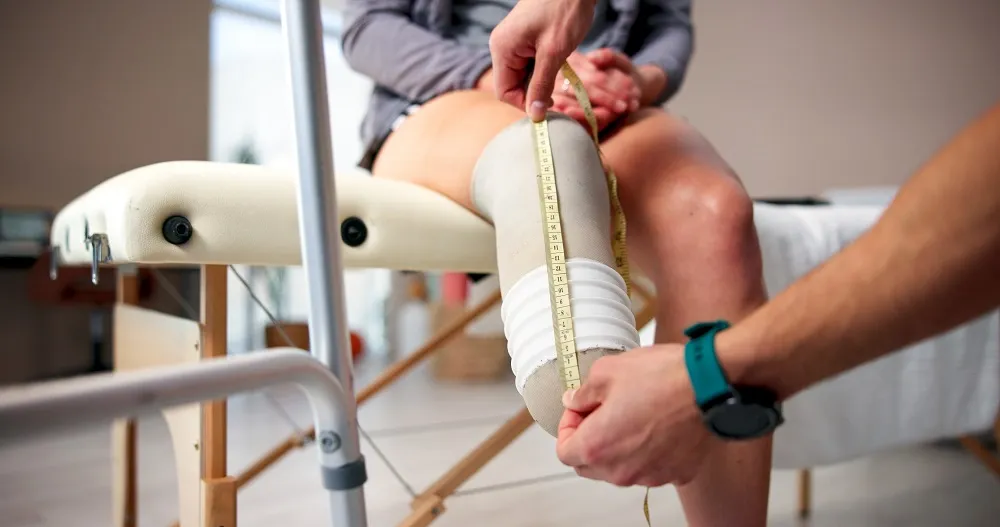
Amputation may result from untreated infection, poor wound care, delayed diagnosis of vascular problems, trauma, medical neglect, or unsafe conditions. These cases often require medical expert review because the key question is whether faster care could have prevented limb loss.
Sexual Abuse and Assault in Prison
Incarcerated survivors of sexual assault may be eligible for claims if staff perpetrated abuse, ignored warning signs, or failed to protect them from known threats. This abuse often results from misconduct, coercion, peer violence, or systemic failures like unsafe housing and protocol violations.
Catastrophic Injuries
Some prison injury cases involve permanent disability, loss of independence, lifelong medical needs, or major changes to daily life. These cases may fall under catastrophic injury litigation when the harm is severe and long-term.
Psychological Trauma
Prison abuse, sexual assault, excessive force, prolonged isolation, threats, or failure to protect can cause serious psychological trauma. These cases may involve anxiety, depression, post-traumatic stress, self-harm risk, sleep disturbance, panic attacks, or worsening mental health after custody abuse.
Wrongful Death in Custody
A prison injury may become a wrongful death case when staff ignore serious symptoms, delay emergency care, fail to protect someone from violence, miss suicide risks, or deny necessary treatment. These cases require fast action because video, watch logs, medical records, and staff communications may disappear or become harder to obtain.
The Legal Process for a New York Prison Injury Claim
A prison injury claim starts with proof. The key question is what staff, medical providers, supervisors, or contractors knew before the injury and whether faster care, safer housing, or proper supervision could have prevented the harm.

1. Preserve Records and Video
A New York prison injury lawyer may request surveillance footage, body-camera video, medical records, housing logs, watch logs, staff rosters, use-of-force reports, grievance files, medication records, and emergency response reports. These records can show whether staff ignored threats, delayed care, missed checks, or returned someone to a cell despite serious symptoms.
2. Review Civil Rights Claims
Many prison injury cases involve 42 U.S.C. § 1983, which permits claims against persons acting under color of law who violate federal rights. This may apply to excessive force, failure to protect, unsafe housing, sexual abuse, retaliation, or deliberate indifference to serious medical needs.
3. Check for Medical Neglect
If the injury involved delayed or denied care, prison injury attorneys review whether staff ignored symptoms, denied medication, refused hospital transfer, delayed testing, or failed to diagnose a serious condition. In Estelle v. Gamble, the Supreme Court recognized that deliberate indifference to serious medical needs may violate the Eighth Amendment.

4. Check the PLRA Grievance Rule
The Prison Litigation Reform Act may require incarcerated people to use available grievance procedures before filing certain federal lawsuits. This step matters because missing grievance records can create problems even when the injury claim is strong.
5. Identify the Correct Defendants
A claim may involve correction officers, supervisors, prison medical staff, nurses, doctors, mental health providers, private healthcare contractors, city or county jail operators, New York State agencies, federal facilities, or outside contractors. The correct defendants depend on who controlled safety, housing, medical care, transport, or emergency response.
6. Check Filing Deadlines
Claims against a city, county, or state-run facility may require a Notice of Claim under New York General Municipal Law § 50-e. Claims against New York State may involve the Court of Claims Act § 10. If the injury caused death, EPTL § 5-4.1 may apply to the wrongful death claim.
7. File the Claim
After records, deadlines, defendants, and medical issues are reviewed, the case may proceed as a civil rights claim, negligence claim, medical malpractice claim, sexual abuse claim, or wrongful death claim. A New York prison injury attorney can determine which claims fit the facts and whether the case should be filed in state court, federal court, or the New York Court of Claims.
What Compensation Can Be Recovered in a Prison Injury Case
Available compensation depends on the specific injury, defendants, and legal claims. New York prison injury cases may involve economic and non-economic damages, as well as additional remedies in certain civil rights misconduct cases.

Economic Damages
Economic damages cover financial losses caused by the injury. These may include:
- Medical expenses
- Future medical care
- Rehabilitation
- Medication costs
- Assistive devices
- Lost income after release
- Reduced earning ability
- Funeral and burial costs in fatal cases
- Loss of financial support in a wrongful death claim
In a fatal prison injury case, New York EPTL § 5-4.3 allows recovery for fair compensation for the pecuniary injuries caused by the death, along with reasonable medical, nursing, and funeral expenses.
Non-Economic Damages
Non-economic damages cover the personal harm caused by the injury. These may include:
- Pain and suffering
- Emotional distress connected to the injury
- Loss of mobility
- Loss of vision
- Loss of limb
- Scarring or disfigurement
- Permanent disability
- Loss of independence
- Trauma from sexual abuse or excessive force
- Reduced quality of life
If the injured person later dies, the estate may still have a claim for injuries the person suffered before death. New York EPTL § 11-3.2 allows certain personal injury claims to survive after death, which can matter when the person experienced pain, fear, or suffering before dying.











.svg)
.svg)



.avif)


