
.svg)


.svg)
.svg)














- Loading...
.svg)
What Is a Traumatic Brain Injury?
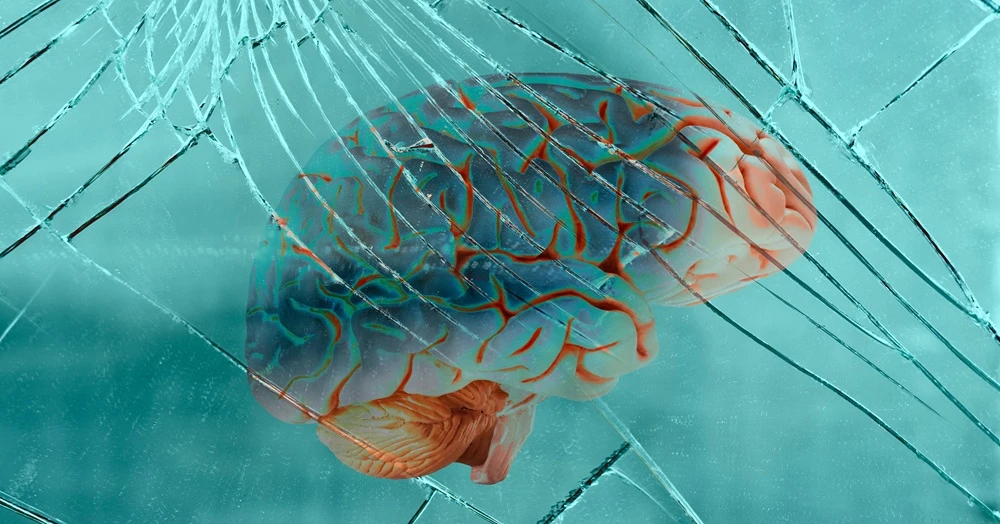
A traumatic brain injury (TBI) occurs when the brain experiences blunt-force or penetrating trauma. The Centers for Disease Control and Prevention (CDC) reports that traumatic brain injuries are a leading cause of death and disability in the United States. Falls account for approximately half of all TBI-related hospitalizations, while motor vehicle accidents are the second leading cause.
There are several types of traumatic brain injuries, each with distinct characteristics and severity levels:
- Mild traumatic brain injury (concussion): The most common type of TBI, involving brief loss of consciousness, confusion, headaches, and memory problems. While many victims recover within days or weeks, some experience persistent symptoms that can last months or years.
- Moderate traumatic brain injury: Involves more extended periods of unconsciousness and more pronounced cognitive changes. Victims may experience significant difficulties with memory, concentration, and daily functioning that require extensive rehabilitation.
- Severe traumatic brain injury: Characterized by extended periods of unconsciousness and permanent neurological damage. These injuries often result in profound changes to cognitive function, motor skills, and personality, with lifetime care costs ranging from hundreds of thousands to millions of dollars.
- Closed head injury: Occurs when the head experiences a blow or the neck is whipped, causing the brain to impact the inner cranium without skull penetration. The brain is jarred against the sides of the skull, potentially causing bruising, bleeding, or swelling.
- Open head injury: Results from penetrating trauma such as gunshot wounds, stab wounds, or objects breaking through the skull. These injuries directly damage brain tissue and carry high risks of infection and complications.
Medical professionals use the Glasgow Coma Scale (scores ranging from 3 to 15) to assess TBI severity and guide treatment decisions.
Head Injury Cases We Handle
When negligence is the cause of a traumatic brain injury, our head injury accident lawyers in New York are ready to fight for justice, no matter how the injury occurred.
Medical Malpractice
Medical malpractice occurs when a medical professional or institution fails to provide medical care and treatment in accordance with accepted standards, and this failure leads to an injury, illness, or worsening of the victim's condition. Brain injuries can result from various forms of medical negligence:
Aneurysm-Related Brain Injuries
When medical professionals fail to properly diagnose or treat brain aneurysms, the results can be catastrophic. An aneurysm causing hemorrhage can lead to severe brain damage, stroke, and death.
Carotid Artery Disease and Stroke
Carotid artery disease significantly increases stroke risk, yet medical professionals sometimes fail to properly diagnose or manage this condition. Malpractice includes failure to diagnose carotid stenosis, inadequate monitoring of high-risk patients, and surgical errors during procedures.
Strokes and Cerebral Artery Disease
Middle cerebral artery (MCA) strokes and other cerebrovascular accidents can cause devastating brain injuries. Common malpractice scenarios include delayed diagnosis of stroke symptoms, failure to administer time-critical treatments, and inadequate post-stroke monitoring leading to complications.
Birth Injuries
Improper use of delivery tools and birth trauma can cause brain injuries during labor. Brain injuries also occur in this context when an infant is starved of oxygen during delivery, leading to conditions like cerebral palsy and developmental delays.

Medical Errors
Medical errors are general mistakes that medical professionals should never make, such as prescribing or administering incorrect dosages of medicine, medication interactions that affect brain function, or errors during brain surgery.
Medical Misdiagnosis
Failure to diagnose a condition or improperly diagnosing a condition can lead to inappropriate treatment measures that result in brain injuries. For example, the failure to diagnose a particular condition could result in the worsening of the condition to the point where the brain becomes injured.
Hospital Negligence
Hospitals and medical institutions may have negligent practices and policies that lead to all manner of accidents capable of causing brain injuries. Even with proper policies and practices in place, failure to enforce these safety measures can lead to brain injury.
Accidents
Everyday activities that are otherwise safe can turn dangerous and lead to brain injuries, thanks to negligence and recklessness:
Car Accidents
Car accident victims routinely suffer head injuries due to the extreme forces they experience during a crash. Common causes of such accidents include drunk driving, distracted driving, and excessive speeding. Dangerously defective vehicles and vehicle parts can also lead to crashes that cause head injuries.
Pedestrian Accidents
Pedestrians face an elevated risk of suffering a head or brain injury during an accident, principally because they lack any sort of protection. Additionally, pedestrians are often thrown into the air during accidents and strike their heads when landing.

Slip and Fall Accidents
Unsafe premises cause numerous accidents, many of which lead to the victim striking their head on hard or sharp surfaces. Common causes of slip and fall accidents include slippery surfaces, cluttered walkways, poorly lit pathways and entrances, and broken or faulty stairways.
Construction Accidents
Construction sites are among the most dangerous worksites around. Construction workers are at risk of suffering head injuries in various accidents, especially from falls from high places. Falling objects, scaffolding accidents, and equipment malfunctions also frequently cause brain injuries. Improper use of heavy equipment and tools, as well as defective tools and equipment, also cause their fair share of head injuries.
Workplace Accidents
Beyond construction sites, many workplaces present brain injury risks. Manufacturing facilities, warehouses, and transportation jobs all carry the potential for head trauma from falling objects, equipment accidents, or slip-and-fall incidents.
Civil Rights Violation Cases
Brain injuries can result from some civil rights violation cases, such as excessive force by law enforcement officers or negligent conditions in correctional facilities. Our firm handles cases involving:
- Police brutality resulting in head trauma.
- Medical malpractice in police custody or prison settings.
- Failure to provide adequate medical care for inmates with brain injuries.
- Negligent supervision in correctional facilities that leads to inmate-on-inmate violence, causing brain trauma.
Victims of institutional misconduct face unique challenges in seeking justice, but our attorneys have the experience and resources to hold government entities and their employees accountable for their actions.
We Handle Every Head Injury Case
When negligence is the cause of a traumatic brain injury, our head injury accident lawyers in New York are ready to fight for justice, no matter how the injury occurred.
Schedule a Free Consultation#cta_start
We Handle Every Head Injury Case
When negligence is the cause of a traumatic brain injury, our head injury accident lawyers in New York are ready to fight for justice, no matter how the injury occurred.
#cta_end
What Are the Common Types of Brain Injuries?
Various types of head, brain, and brain stem injuries may occur after an accident. Due to the fragile and complex nature of the brain, many of these result in debilitating consequences.
Some of the more common head and brain injuries include:
- Concussion: The most common form of TBI, ranging from mild to severe.
- Contusion: Bruising of brain tissue, often from direct impact.
- Coup-contrecoup injury: Injury occurring at both the point of impact and the opposite side of the brain.
- Diffuse axonal injury: Widespread damage to nerve fibers throughout the brain.
- Penetrating brain injury: Open head injury from objects penetrating the skull.
- Hypoxic/anoxic brain injury: Damage from a lack of oxygen to the brain.
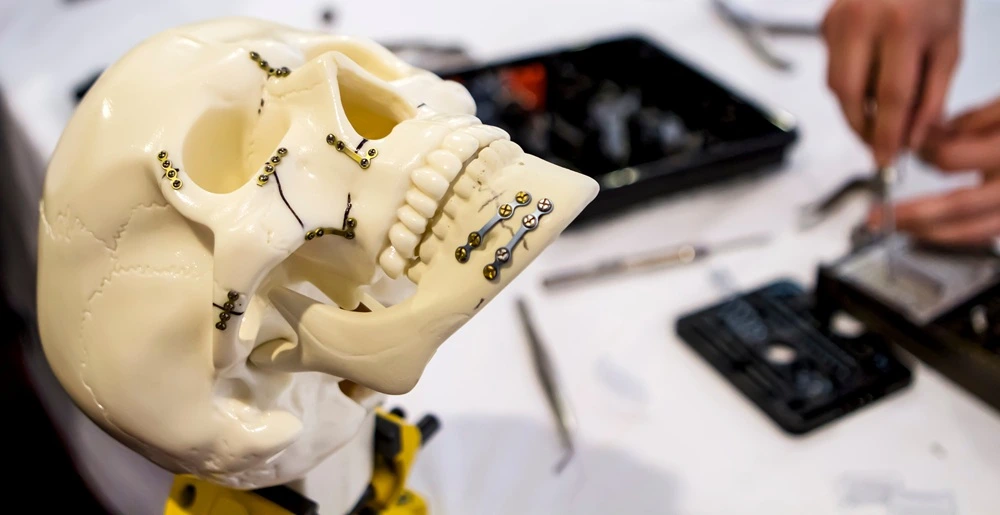
- Skull fracture: Breaks in the skull bone that may damage underlying brain tissue.
- Intracranial hematoma: Blood clots inside the skull.
- Subdural hematoma: Bleeding between the brain and its protective covering.
- Epidural hematoma: Bleeding between the skull and the brain's protective covering.
- Subarachnoid hemorrhage: Bleeding in the space surrounding the brain.
- Intracerebral hemorrhage: Bleeding within the brain tissue itself.
Each type of brain injury presents unique challenges and may require different treatment approaches. The location of the injury within the brain often determines which functions are affected.
What Are the Common Symptoms of Brain Injuries?
Brain injury symptoms can vary dramatically depending on the severity and location of the injury. Some symptoms appear immediately, while others may not manifest for days or weeks after the initial trauma.
- Physical symptoms: Loss of consciousness, severe headaches, nausea and vomiting, seizures, dilated or unequal pupils, clear fluids draining from the nose or ears, coordination problems, and weakness or numbness in extremities.
- Cognitive and mental symptoms: Confusion and disorientation, memory problems, difficulty concentrating, slurred speech, profound confusion, and agitation or unusual behavior.
- Sensory changes: Blurred vision, ringing in the ears (tinnitus), changes in taste or smell, and sensitivity to light or sound.
- Long-term effects: Persistent headaches, sleep disturbances, mood changes, depression and anxiety, personality changes, problems with executive function, difficulty with problem-solving, and changes in social behavior.
The effects of TBI can be temporary or permanent, and some victims continue to discover new symptoms months or even years after their injury. If you have suffered any sort of head trauma and experienced any of these symptoms, you might have suffered a traumatic brain injury and should seek immediate medical attention.
What Are the Consequences of Brain Injuries?
Traumatic brain injuries are among the most devastating injuries you can face. The brain controls every aspect of human function, so damage to this vital organ can affect virtually every area of a person's life.
- Physical consequences: Temporary or permanent disabilities such as paralysis, loss of motor function and coordination, speech and swallowing difficulties, loss of senses, chronic pain, incontinence, and increased seizure risk.
- Cognitive consequences: Memory impairments, reduced attention span and concentration, executive function deficits affecting planning and decision-making, language problems, reduced processing speed, and learning difficulties.
- Emotional and behavioral consequences: Depression and anxiety, increased irritability and aggression, mood swings, social inappropriateness, personality changes, and loss of motivation.
- Economic impact: The financial consequences extend far beyond initial medical bills. According to Northwestern University research, the unemployment rate for adults with brain injuries reaches 60% two years post-injury. The lifetime cost of TBI treatment can range from $85,000 to $3 million, depending on severity.
These consequences often require long-term rehabilitation services, occupational and physical therapy, speech therapy, neuropsychological rehabilitation, adaptive equipment and home modifications, ongoing medical monitoring, and potentially full-time caregiving assistance.
Because brain damage can change your life forever, experienced New York brain injury attorneys fight hard to ensure that you get as much compensation as possible for your future.
#cta_start
We Can Get You What’s Deserved. Full Compensation for Your Injury.
Our New York brain damage attorneys have recovered millions for TBI victims and their families. We understand the devastating impact these injuries have and fight relentlessly to secure the resources you need for your recovery.
#cta_end
What Compensation Can You Recover for a Brain Injury in New York?
Brain injuries often result in overwhelming financial burdens at a time when victims may be unable to work or earn income. New York law allows brain injury victims to seek comprehensive monetary damages that cover both their immediate needs and long-term care requirements.
Economic Damages
- Medical expenses (past and future treatment costs)
- Lost wages and diminished earning capacity
- Rehabilitation and therapy costs
- Adaptive equipment and home modifications
- Ongoing care and assistance needs
Non-Economic Damages
- Pain and suffering
- Emotional distress
- Loss of enjoyment of life
- Loss of consortium (impact on family relationships)
Punitive Damages
Punitive damages are awarded when the defendant's actions were especially reckless, malicious, or showed a conscious disregard for others' safety. Examples include driving under the influence, excessive speeding, intentional violence, or gross negligence by medical professionals. Unlike compensatory damages that aim to make you whole, punitive damages serve to punish the wrongdoer and can significantly increase your recovery. However, they must be specifically requested and proven at trial.
Our experienced New York brain injury attorneys work with medical experts, life care planners, and economists to ensure every aspect of your injury's impact is properly valued and that you receive the maximum compensation available under the law.
.svg)

Steps to Take After a Brain Injury Case in New York
If you or a loved one has suffered a brain injury, taking the right steps immediately can protect both your health and your legal rights.
Immediate Steps You Should Take
- Get medical care immediately: Seek emergency medical attention even if symptoms seem mild. Brain injuries can worsen without warning, and early treatment is crucial for the best possible recovery.
- Document everything: Keep detailed records of medical treatments, symptoms, medications, and how the injury affects daily life. Take photos of visible injuries and the accident scene if possible. Save all medical records and bills.
- Preserve evidence: Don't repair damaged vehicles, equipment, or property. Report the incident to police, employers, or property owners as appropriate. Keep all correspondence related to your injury.
- Contact an attorney quickly: Brain injury cases are complex and time-sensitive. In New York, you generally have three years to file a lawsuit, but evidence can disappear and witnesses' memories fade quickly.
How We Can Help You
Brain injury cases require advanced legal and medical knowledge and extensive resources to achieve maximum compensation. Our approach involves:
- Investigation and case building: We thoroughly investigate the circumstances that led to your brain injury, collect and analyze critical evidence, interview witnesses, and consult with accident reconstruction and medical experts to build the strongest possible case.
- Legal strategy and proof: To recover compensation for your brain injury, we must prove four key elements:
- Duty of care: The defendant owed you a legal duty.
- Breach of duty: The defendant failed to meet that standard of care.
- Causation: The breach directly caused your brain injury.
- Damages: You suffered measurable losses as a result.
- Negotiation and litigation: We handle all negotiations with insurance companies to secure proper compensation. When necessary, we file lawsuits against parties who refuse to pay what they owe and take cases to trial to fight for maximum recovery.
- Trusted resources: Brain injury cases typically require testimony from neurologists, neuropsychologists, rehabilitation specialists, life care planners, and economic experts. We work with professionals to demonstrate the full impact of your injury and calculate fair compensation for your current and future needs.
No matter what caused your New York City brain injury, our team of experienced brain injury lawyers will identify all responsible parties and fight relentlessly to secure the compensation you deserve for your recovery and future care.








.svg)
.svg)



.avif)


