.svg)


.svg)
.svg)

.webp)








- Loading...
.svg)
Your Voice Against Healthcare Fraud and Government Contract Abuse
When you witness fraud against Medicare, Medicaid, or other government programs, coming forward takes courage. The New York False Claims Act and federal False Claims Act provide powerful legal tools to combat fraud while protecting whistleblowers from retaliation. Our firm represents individuals in qui tam actions, helping them file complaints under seal, cooperate with government investigations, and pursue recovery for both taxpayers and themselves.

Whether you've discovered billing fraud at your workplace, witnessed defense contractors overcharging the federal government, or uncovered schemes to manipulate reimbursement rates, our attorneys understand the complex procedural requirements of false claims litigation. We work closely with the Attorneys General of New York and the United States, the Medicaid Inspector General, and other governmental entities to build compelling cases while safeguarding your employment and future.
.svg)
Common Types of False Claims Act Violations We Handle
Our firm prosecutes qui tam civil actions across various industries where fraud against government programs occurs. We have experience with:
Healthcare Fraud and Billing Violations
Medical providers who submit false or fraudulent claims to Medicare, Medicaid, or other public benefit programs cause substantial harm to taxpayers. Common healthcare fraud schemes include billing for services never rendered, upcoding to obtain higher reimbursements, performing medically unnecessary procedures, engaging in kickback arrangements, and submitting duplicate claims.
Pharmaceutical and Medical Device Fraud
Drug manufacturers and device companies sometimes engage in off-label marketing, pay illegal kickbacks to physicians, report false pricing information, or conceal safety risks from the Food and Drug Administration. These violations harm both the federal government and patients.
Defense Contractor and Procurement Fraud
Government contractors who overcharge for goods or services, substitute inferior materials, falsify testing results, or misrepresent their qualifications violate federal regulations. Such violations drain resources from defense programs and other essential government functions.
Grant and Research Fraud
Institutions receiving federal research funding must use those resources appropriately. Falsifying research data, charging personal expenses to grants, or failing to meet performance obligations constitute false claims violations.
#cta_start
Stand Up for Taxpayers and Your Own Rights
If you've witnessed fraud against the state or local government, federal government, or public benefit corporations, contact our firm for a confidential consultation. Don't let fraudulent conduct continue unchecked.
Get a Free Review of Your Case
#cta_end
How We Work on Your False Claims Case to Seek Maximum Recovery for You
Successfully prosecuting false claims violations requires both substantive knowledge of fraud law and complex procedural experience. Here's how we work on your case:
- Confidential case assessment: We evaluate your information to determine whether it constitutes a viable claim under the federal False Claims Act or New York False Claims Act, examining whether you possess substantially all material evidence.
- Strategic complaint preparation: We prepare a detailed qui tam complaint disclosing all material evidence and information you possess, and file it under seal to protect your identity during the government's investigation.
- Government cooperation: We work with the attorney general, local government attorney, or other investigating authorities during their criminal or civil investigation, providing additional evidence and responding to inquiries.
- Advocating for intervention: We present compelling arguments for why the governmental entity should intervene in your action rather than decline, demonstrating the strength of your case.
- Proceeding without intervention: If neither the attorney general nor local government elects to intervene, we are prepared to litigate the qui tam action on your behalf as the original plaintiff.
- Retaliation protection: We take immediate action against any private or public employer who retaliates against you for investigating false claims violations or filing a qui tam lawsuit.
- Settlement negotiation: We negotiate favorable settlements that compensate both you and the government, ensuring you receive your statutory share.
- Trial representation: When necessary, we present your case before the appropriate court, backed by expert testimony and documentary evidence.
Federal False Claims Act and New York Law
The federal False Claims Act allows private persons to file qui tam civil actions on behalf of the government. When someone knowingly submits false or fraudulent claims for payment to government programs, they face civil money penalties and treble damages. New York's state false claims acts provide similar remedies for fraud against state and local entities.
Who Can File a Qui Tam Action
Any person with direct and independent knowledge of fraud may become a relator in a qui tam civil action. You don't need to be directly harmed — witnessing fraudulent activity is sufficient. However, you must be the original source of the information; simply reading about fraud in a legislative or administrative report or public disclosure typically bars you from filing.
The Qui Tam Process
Qui tam actions follow specific procedures. You file a complaint under seal in the appropriate supreme court, serving it on the attorney general but not the defendant. The seal remains in place for at least 60 days while the government conducts its investigation, though courts often extend this period. The attorney general investigates whether to intervene. If the local government intervenes, it takes primary responsibility for prosecuting the action, though you retain rights as the original plaintiff. If neither the state nor local government elects to intervene, you may proceed with the action yourself.
Protection from Retaliation
Both federal and New York laws prohibit retaliation against employees who investigate false claims violations or file qui tam lawsuits. If your employer discharges, demotes, harasses, or otherwise discriminates against you because of your whistleblowing activities, you can pursue a separate claim for reinstatement, double back pay, and reasonable attorneys' fees.

Who Is Liable in a False Claims Act Case in New York?
In a false claims case, liability can extend to several parties, including:
- Healthcare providers and facilities: Physicians, hospitals, nursing homes, and other medical entities that submit false or fraudulent claims to Medicare, Medicaid, or other governmental entity programs may be held liable.
- Pharmaceutical and device companies: Manufacturers that engage in kickback schemes, off-label marketing, or price manipulation affecting government reimbursements can face prosecution.
- Government contractors: Companies that overcharge the federal government, submit false certifications, or deliver substandard products or services bear liability for their fraudulent conduct.
- Corporate executives and employees: Individuals within organizations who knowingly participate in or direct fraudulent schemes can be held personally liable under the False Claims Act.
- Billing companies and consultants: Third parties that process claims or advise on billing practices may face liability if they knowingly facilitate fraud.
While many parties may bear liability, identifying all responsible entities requires thorough investigation. Establishing liability in a false claims case requires comprehensive document review, advanced analysis, and legal experience. Therefore, it's essential to consult with a False Claims Act lawyer who can identify all responsible parties and build a compelling case.
Harm Caused by False Claims Act Violations
False claims violations harm both government programs and the individuals who witness them. When fraud goes unreported, taxpayers lose billions of dollars meant for essential services.
These are some common consequences that whistleblowers and society face when fraud continues unchecked:
- Depleted government resources: Fraudulent billing drains funds from Medicare, Medicaid, and other programs, reducing resources available for legitimate patient care and essential government services.
- Compromised patient care: Healthcare fraud often involves unnecessary procedures, substandard care, or services never provided, directly harming vulnerable patients who depend on government insurance programs.
- Workplace retaliation: Whistleblowers frequently face harassment, demotion, or termination for reporting fraudulent conduct, creating hostile work environments, and causing financial hardship.
- Erosion of public trust: When fraud goes unpunished, it undermines confidence in government programs and healthcare systems, making taxpayers question how their money is spent.
- Career consequences: Speaking up about fraud can derail careers, damage professional reputations, and create long-term employment challenges for those who do the right thing.
- Financial uncertainty: Whistleblowers often endure lengthy investigations and legal proceedings while facing potential job loss and mounting legal expenses.
For these reasons and more, it is essential to consult with a dedicated New York False Claims Act attorney who can protect your rights while you expose fraud. We can help you pursue justice, seek compensation for your courage, and hold fraudulent entities accountable for their actions.
#cta_start
Ready to Take Action Against Fraud?
Take control and protect taxpayers today. Contact our experienced False Claims Act attorneys for a free consultation and let us help you fight for justice and the compensation you deserve.
#cta_end
What Should You Do to Prove a False Claims Act Case in New York?
Proving a false claims case in New York involves several key steps, including:
- Establish direct knowledge: Show that you have direct and independent knowledge of the false or fraudulent claims, not information derived solely from public sources or legislative or administrative reports.
- Demonstrate knowing conduct: Establish how the defendant knowingly submitted false claims, acted with deliberate ignorance, or showed reckless disregard for the truth when filing claims with governmental entities.
- Prove materiality and harm: Show that the false statements or omissions were material to the government's payment decisions and caused financial harm to the federal government, state or local government, or other governmental entity.
- Work with legal counsel: Enlist attorneys experienced in qui tam litigation who can evaluate your evidence, prepare the sealed complaint, and guide you through interactions with the attorney general or local government attorney.
- Preserve comprehensive evidence: Ensure all relevant billing records, contracts, communications, and documentation are preserved and available for the criminal or civil investigation.
- Cooperate with investigators: Work closely with the attorney general’s office, Medicaid Inspector General, or other investigating authorities during their review, providing additional evidence and testimony as needed.
- Follow qui tam procedures: This includes filing under seal, properly serving the attorney general, complying with discovery requirements, and presenting evidence at trial if the government declines to intervene.
As you can tell, proving a false claims case in New York is complex and requires thorough knowledge of both fraud law and qui tam procedures.
What Compensation Can You Recover in a False Claims Case in New York?
In a false claims case in New York, you may be entitled to recover various forms of compensation, including:
- Whistleblower share: Compensation ranging from 15 to 30% of the government's recovery, depending on whether the attorney general or local government intervenes and the extent of your contribution to the case.
- Retaliation damages: If you suffered employment retaliation, compensation for twice your lost wages, reinstatement to your position, and other damages caused by discriminatory conduct.
- Attorney fees and costs: Reimbursement for reasonable attorneys' fees and litigation expenses incurred in successfully prosecuting the qui tam action or defending against retaliation.
Depending on the specifics of your case, the total recovery can reach millions of dollars when the underlying fraud involved substantial false claims submitted over extended periods.

How Long Do You Have to File a False Claims Act Case in New York?
Under the federal False Claims Act, the statute of limitations is generally the later of:
- Six years from the date of the violation, or
- Three years after the government knew or should have reasonably known about the violation (but no more than ten years from the violation)
New York's False Claims Act provisions contain similar timeframes for fraud against state or local government entities.
However, important considerations apply:
- First-to-file rule: Only the first person to file a qui tam action based on particular facts can proceed. Later filers are barred even if they have independent knowledge.
- Public disclosure bar: If the fraud was publicly disclosed through certain government reports, media coverage, or other channels before you filed, you may be barred unless you qualify as the original source.
- Continuing violations: Each false claim submission may constitute a separate violation, potentially extending the statute of limitations for ongoing fraud schemes.
What You Should Do If You Witness False Claims Violations
Discovering fraud against government programs can be overwhelming, but it is essential to remember that you have options and legal protections available.
You can assert your rights, expose fraud, and pursue the compensation you deserve by following these steps:
- Document everything: Keep detailed records of the fraudulent conduct, including dates, amounts, communications, and any attempts to report the fraud internally.
- Preserve evidence: Collect billing records, contracts, emails, and other documents that support your allegations without violating company policies or laws.
- Avoid unauthorized access: Do not hack systems or take documents you're not authorized to possess, as this can jeopardize your case and expose you to liability.
- Know your rights: Familiarize yourself with whistleblower protections under federal and New York laws that prohibit retaliation for reporting fraud.
- Consult legal counsel immediately: Speak with an experienced False Claims Act attorney before taking any action that could compromise your case or employment.
- Maintain confidentiality: Do not discuss your allegations with colleagues, media, or others, as premature disclosure can bar your ability to file a qui tam lawsuit.
- Report internally if appropriate: Consider following your employer's compliance procedures, though this is not required before filing a qui tam action.
- Stay alert to retaliation: Monitor your work environment for signs of adverse employment actions and document any changes in how you're treated.
An attorney will help you determine the best course of action for exposing fraud while protecting your legal rights. However, you must act promptly. The first-to-file rule means that delay could cost you the opportunity to pursue a qui tam action, so the sooner you consult with our experienced legal professionals, the better.
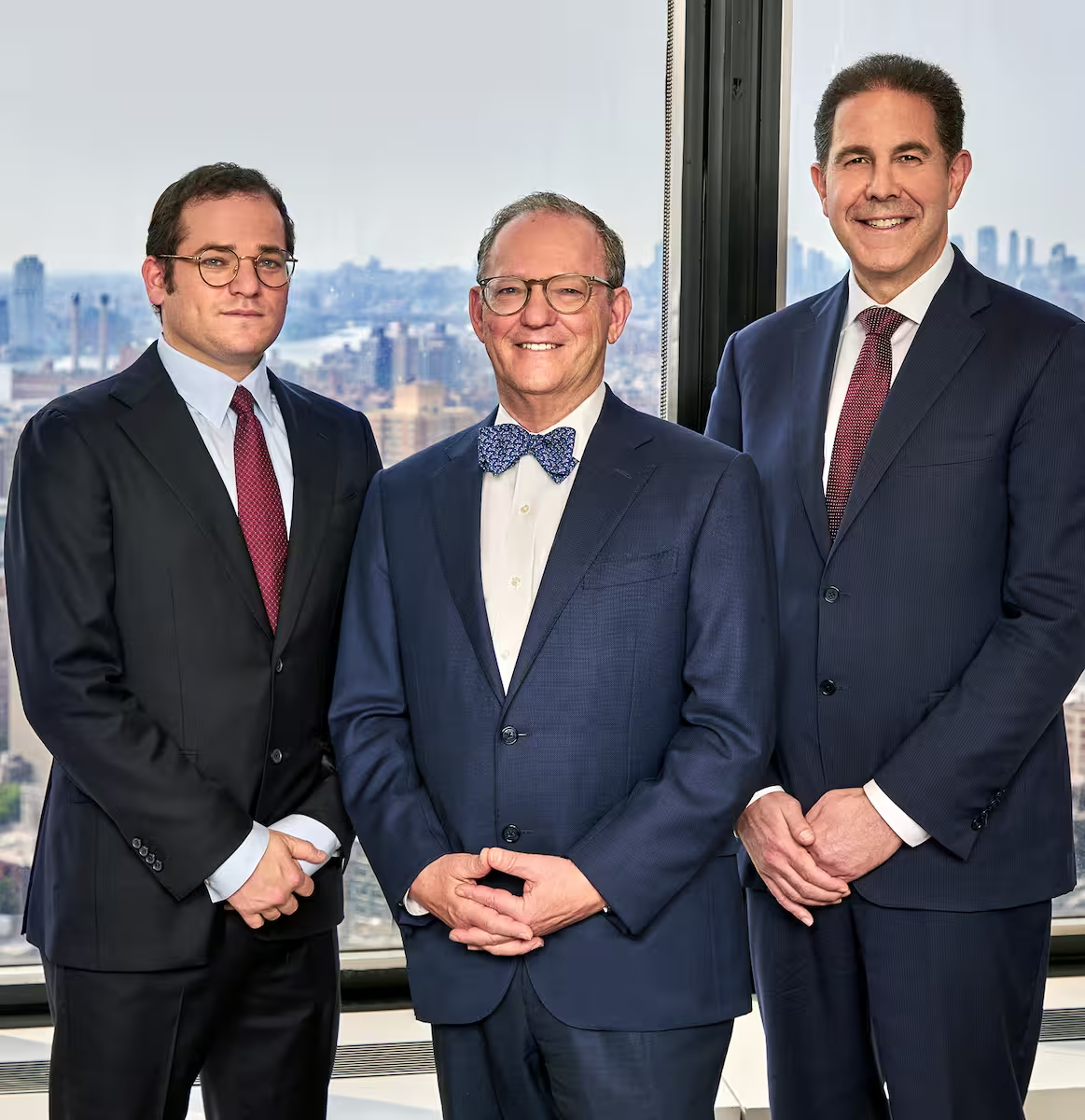
Why Choose the Jacob D. Fuchsberg Law Firm for Your Qui Tam Action

.svg)


- Decades of complex litigation experience: Our firm has handled high-stakes legal matters for over 40 years, developing the litigation skills necessary to pursue sophisticated fraud cases against well-funded defendants.
- Thorough investigation resources: We work with forensic accountants, healthcare consultants, and industry professionals to analyze billing records, contracts, and financial statements, building comprehensive cases that withstand scrutiny.
- No fees unless we recover: You pay no attorney fees unless we secure compensation through settlement or trial. This contingency arrangement allows you to pursue justice without financial risk.
- Multilingual client service: Our Spanish-speaking attorneys ensure clear communication throughout your case, serving New York's diverse communities with respect and accessibility.
- Direct partner involvement: Your qui tam action receives attention from our senior attorneys, who recognize both the legal framework and the courage required to come forward as a whistleblower.










.svg)
.svg)


.avif)