.svg)


.svg)
.svg)

.webp)










- Loading...
.svg)
What Rights Do Inmates Retain at Rikers Island
Even while incarcerated, individuals are protected by the United States Constitution. The Eighth Amendment prohibits cruel and unusual punishment. The Fourteenth Amendment requires due process and equal protection. These protections do not disappear at the prison gates.
In practice, Rikers Island and the New York City Department of Correction are required to:
- Protect inmates from known physical dangers, including assault by staff or other incarcerated individuals;
- Provide timely and adequate medical and mental health care;
- Maintain safe and sanitary living conditions;
- Refrain from using force that is excessive or retaliatory;
- Not place inmates in solitary confinement in ways that constitute punishment without due process;
- Allow access to legal counsel and privileged communication;
- Not retaliate against inmates who file grievances or report abuse.
When these obligations are ignored, the City and its employees can be held legally accountable.
#cta_start
Your Rights Don’t End at the Prison Gates
If you or a loved one suffered from violence, poor conditions, or retaliation at Rikers Island, let us help. Contact Jacob D. Fuchsberg Law Firm for a no-cost case review so we can help you navigate the complex legal system and protect your future.
#cta_end
Common Rights Violations at Rikers Island
Rikers Island has a documented history of civil rights failures. The types of violations our attorneys handle include the following.
Excessive Force by Correction Officers
Correction officers are permitted to use reasonable force to maintain safety. Force that is unnecessary, disproportionate, or retaliatory crosses into constitutional violation territory. This includes physical assaults, unjustified use of chemical agents, violence during cell extractions or transfers, and officers encouraging or permitting inmate-on-inmate attacks.
Denial or Delay of Medical Care
Inmates have a constitutional right to adequate medical treatment. When jail staff or contracted medical providers ignore serious health needs, such conduct may constitute deliberate indifference under federal law. Common examples include failure to provide prescribed medications, untreated infections or injuries, delayed emergency care, denial of treatment for chronic conditions such as diabetes or heart disease, and failure to provide mental health services to at-risk individuals.
Mental Health Neglect
Rikers Island holds a significant number of individuals with serious mental illness. Failures in mental health screening, inadequate follow-up care, improper discharge to solitary confinement, and failure to intervene during a mental health crisis are all actionable when they result in serious harm. The $4 million Ramos settlement described above illustrates exactly how devastating these failures can be.
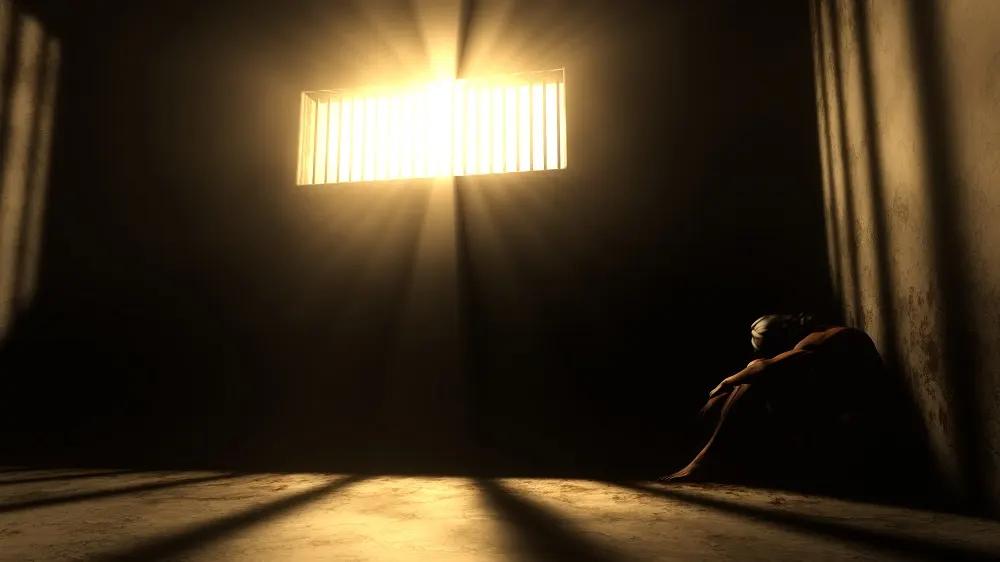
Sexual Assault and Abuse in Custody
Sexual abuse by correction staff or other inmates is among the most serious civil rights violations that can occur in a detention facility. The Prison Rape Elimination Act (PREA) establishes federal standards requiring facilities to prevent, detect, and respond to sexual abuse in custody. Victims often face barriers to reporting, including fear of retaliation, but civil rights litigation can proceed even without an internal complaint.
Inhumane Living Conditions
The Eighth Amendment requires that correctional facilities provide humane conditions of confinement. Unsafe or unsanitary housing, lack of heat or clean water, vermin infestation, and exposure to hazardous conditions can all give rise to civil rights claims when officials know about the conditions and fail to correct them. The New York City Board of Correction sets minimum standards for jail conditions, and violations of those standards can support both administrative and civil legal action.
Unjust Solitary Confinement
Solitary confinement imposes severe psychological harm, particularly on individuals with pre-existing mental illness. New York's HALT Solitary Confinement Act, which took effect in 2022, significantly restricts the use of solitary confinement in state facilities and establishes procedural protections for anyone placed in segregated confinement. Placing an inmate in isolation without proper process, or keeping someone in solitary confinement in ways that violate these standards, can form the basis of a civil rights claim.
Failure to Protect
Correctional facilities have a duty to protect inmates from known risks, including violence from other incarcerated individuals. When officials are aware of a threat and fail to act, that deliberate indifference to safety can support a legal claim under Farmer v. Brennan, 511 U.S. 825 (1994), the Supreme Court case establishing the constitutional standard for inmate safety.
Who Can Be Held Responsible for Inmate Rights Violations
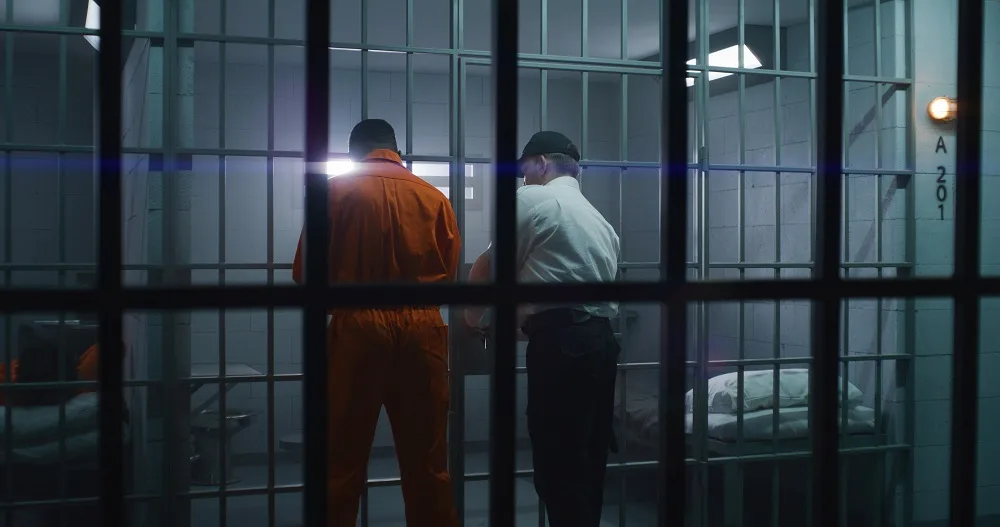
Civil rights claims arising from Rikers Island often involve multiple defendants. Depending on the circumstances, liable parties may include:
- The City of New York as the entity responsible for operating Rikers Island and employing Department of Correction staff;
- Correction officers who used excessive force, failed to intervene, or retaliated against an inmate;
- Supervisors and facility administrators who established or tolerated policies that led to harm;
- Contracted medical and mental health providers who failed to deliver adequate care;
- The New York City Department of Correction for systemic failures in training, supervision, or policy.
Identifying all responsible parties requires a careful review of incident reports, medical records, surveillance footage, facility policies, and staffing records. Our attorneys conduct thorough investigations and work with independent experts to build the strongest possible case.
#cta_start
Deadlines in Civil Rights Cases Are Strict
Reach out to Jacob D. Fuchsberg Law Firm now so our attorneys can review what happened, protect your right to file, and explain your options at no cost.
#cta_end
Legal Framework for Prisoners' Rights Cases: How These Claims Work
Rikers Island civil rights cases can be brought under federal and state law. The two main legal vehicles are the following.
42 U.S.C. Section 1983
42 U.S.C. Section 1983 allows individuals to sue government officials and entities for violations of constitutional rights. In the context of Rikers Island, this typically means claims for excessive force, deliberate indifference to medical needs, failure to protect, and unconstitutional conditions of confinement. To succeed, a plaintiff generally must show that the defendant acted with deliberate indifference, meaning they knew of a serious risk and consciously disregarded it.
New York State Negligence Law
In addition to federal claims, inmates and their families may pursue claims under New York personal injury and negligence law. These claims can run alongside a Section 1983 lawsuit and may cover harms that do not fit neatly within constitutional doctrine.
Important Procedural Requirements
Several procedural steps apply to civil rights claims against New York City, and missing them can permanently bar a claim.
Notice of Claim
Before suing the City of New York or the Department of Correction, a Notice of Claim must generally be filed within 90 days of the incident under New York General Municipal Law Section 50-e. This is a strict deadline. Also, different types of claims may have different filing deadlines and requirements. Because of this, it’s best to contact our experienced lawyers as soon as possible so you don’t miss a deadline and your case ends before it can even start.

Prison Litigation Reform Act
For federal civil rights claims brought by currently incarcerated individuals, the Prison Litigation Reform Act (PLRA) requires the inmate to exhaust the facility's internal grievance process before filing a lawsuit in federal court. So, properly documenting each complaint through the grievance system is an important and necessary step in preserving your legal options. Our attorneys advise clients and their families on this requirement from the outset.
Statute of Limitations
Federal Section 1983 claims in New York are subject to a two-year statute of limitations. State law negligence claims may be subject to different deadlines. Because the 90-day notice-of-claim requirement applies to City defendants independently of the main limitations period, it is important to consult with one of our experienced attorneys as soon as possible after an incident.
Compensation Available in Rikers Island Civil Rights Cases
New York does not cap compensatory damages in civil rights cases. The amount recoverable depends on the nature and severity of the harm, the degree of the defendant's conduct, and the documented impact on the individual's life.
How We Handle Prisoners' Rights Cases

Civil rights litigation against the City of New York requires specific experience in municipal liability, federal constitutional law, and the procedural rules that govern claims against government defendants. Our attorneys have spent decades on exactly this kind of work. Here is how we approach a Rikers Island case:
- Investigation: We obtain medical records, facility incident reports, grievance filings, disciplinary records, and surveillance footage as quickly as possible to preserve evidence.
- Notice of Claim: We file the required notice within the 90-day window to protect your right to sue the City.
- Expert review: We work with independent medical, psychiatric, and correctional standards professionals to establish what the facility should have done and how its conduct fell short.
- Litigation: We file in federal or state court, depending on the nature of the claims, and represent clients through every stage, including trial if a fair settlement cannot be reached.











.svg)
.svg)



.avif)