.svg)

- Loading...
A person in jail or prison still has the right to medical care. When staff ignore serious symptoms, deny medication, delay hospital transfer, or let a known condition worsen, the result can be stroke, paralysis, blindness, cancer progression, sepsis, withdrawal injury, or death.
At the Jacob D. Fuchsberg Law Firm, our prison medical malpractice lawyers review cases involving denied medical care, delayed treatment, unsafe jail conditions, and serious harm in custody.
Note: New York State replaced the term “inmate” with “incarcerated individual” in state law.
Legal Right to Medical Care in Jail and Prison
People in custody may also have inmate rights to medication and medical care when the facility controls access to prescriptions, doctors, and emergency treatment. That control gives jails and prisons a legal duty to respond when someone has a serious medical need.
Denied care may involve missed medication, ignored symptoms, delayed hospital transfer, canceled specialist care, or refusal to treat an obvious emergency. Legal claims may involve the Eighth Amendment for convicted incarcerated individuals, the Fourteenth Amendment for pretrial detainees, and 42 U.S.C. § 1983 when a government actor violates constitutional rights.
What Counts as Inmate Medical Neglect in NYC
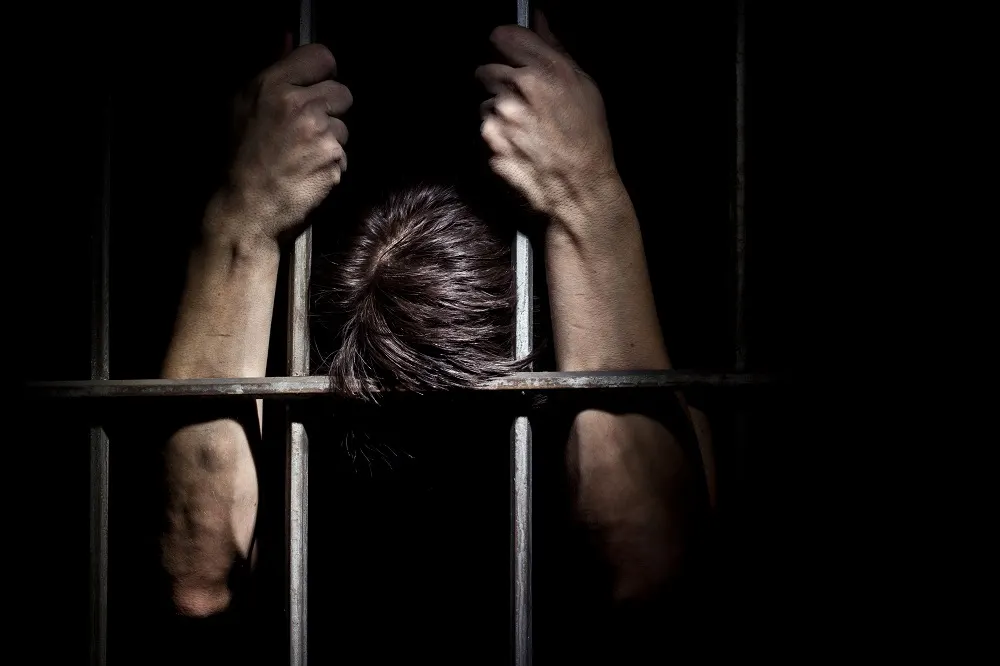
Inmate medical neglect in NYC occurs when correction staff, prison officials, or jail medical providers fail to respond to a serious medical condition. The failure may involve denied medication, ignored symptoms, delayed care, missed hospital transport, or canceled specialist treatment.
Medical neglect may include:
- Ignored stroke symptoms such as slurred speech, facial droop, confusion, weakness, numbness, or vision loss.
- Delayed cancer care, including missed biopsy, chemotherapy, oncology visits, or abnormal test follow-up.
- No response to chest pain, breathing distress, seizures, diabetic crisis, sepsis, withdrawal, or psychiatric crisis.
- Failure to call 911 or send the person to an emergency room.
- Ignored paralysis symptoms after a fall, assault, infection, or spinal injury.
- Failure to treat blindness or vision loss, including eye trauma, infection, glaucoma symptoms, or retinal issues.
- Denied insulin, seizure medication, psychiatric medication, blood thinners, antibiotics, HIV medication, or asthma inhalers.
In NYC, Correctional Health Services provides care to people in city custody through NYC Health + Hospitals. New York State DOCCS states that incarcerated individuals have access to facility medical services through sick call and other care procedures.
When Denied Medical Care Becomes Deliberate Indifference
Having a bad medical result or an increase in symptoms alone does not prove a civil rights case. A prisoner must prove that prison officials acted with deliberate indifference to succeed in a claim. Courts have interpreted the law of “deliberate indifference” to require that the following elements be met: 1) the person had a serious medical need; and 2) the prison officials had actual knowledge of the substantial risk of harm and consciously disregarded it.
The claim becomes stronger when records show repeated sick call requests, visible decline, denied medication, ignored hospital instructions, delayed emergency transfer, or no response to worsening symptoms. A single mistake may constitute malpractice; repeated notice plus inaction can amount to deliberate indifference.
When Delayed Jail Medical Care Becomes a Lawsuit
Medical care need not be completely denied to create a claim. A dangerous delay may be enough when the person has a serious condition, and the delay causes extra pain, permanent injury, or death.
Delay claims often involve missed hospital transport, canceled specialist appointments, delayed imaging, postponed surgery, ignored sick call requests, late medication, or failure to escalate symptoms. These cases depend heavily on the timeline.
Delay factors that matter:
- How long was care delayed?
- Whether the condition was urgent.
- Whether the staff knew the person was getting worse.
- Whether the delay had a medical reason.
- Whether earlier care could have prevented harm.
A delay may matter when the condition involves stroke symptoms, spinal injury, sepsis, cancer, diabetic crisis, withdrawal, sudden blindness, or heart attack symptoms. The issue is not only whether care eventually happened. The issue is whether care came too late.
Delayed care can also overlap with broader medical malpractice issues, especially when late diagnosis or late treatment causes brain injury from delayed treatment.
Medical Conditions That Often Lead to Prison Medical Neglect Claims
Some medical problems require fast action. When jail staff or medical providers delay care for these conditions, the harm can become permanent.
High-risk conditions in custody:
A serious condition alone does not prove a case. The claim becomes stronger when records show the facility knew about symptoms, diagnosis, medication needs, or prior treatment and still failed to respond.
What Families Should Do After Jail Medical Neglect
Families should start with the timeline. Write down when symptoms began, who was told, what was requested, what the facility said, and when the person finally received care.
Start with facts the family can control:
- NYC311 states that people should call 911 for an immediate medical or mental health emergency involving an incarcerated person.
- Report non-emergency medical concerns to the facility or Correctional Health Services.
- Ask whether the person has been seen by medical staff, moved to medical housing, given medication, or sent to a hospital.
- Request the name or badge number of the person taking the complaint.
- Ask for a complaint, reference, or report number.
- Continue reporting if symptoms worsen or medication is still missing.
If the person was hospitalized, released, or died, the focus shifts to legal review. At that point, the family should avoid relying solely on the facility’s explanation and speak with a lawyer about records the family cannot obtain on its own.
Evidence Needed for Suing for Lack of Medical Treatment in Jail

A custody medical neglect case depends on records, timelines, witnesses, and medical proof.
Families should save:
- Full name, date of birth, booking number, or DIN number;
- Facility name, housing unit, and key dates;
- Names of officers, nurses, doctors, or supervisors;
- Medication names and dosages;
- Hospital records, discharge papers, and photos;
- Calls, texts, letters, voicemails, complaint numbers, and grievances;
- Witness names;
- Death certificate or autopsy records in fatal cases.
A lawyer may request:
- Sick call records and medication logs;
- Intake forms, triage notes, provider notes, and mental health records;
- Watch logs, housing-unit logs, and emergency reports;
- Hospital transport records and video footage;
- Internal investigation files and mortality review records;
- Prior complaints involving the same facility or staff.
Statements like “treatment was refused”, “medical saw him”, “no emergency was found”, or “nothing more could be done” must be checked against video, logs, medication records, witness accounts, and outside hospital findings.
Featured Reporting on Jail Medical Neglect
Our attorney Jaehyun Oh has been a featured voice in national reporting on medical neglect and deaths behind bars. Two pieces are worth reading if a loved one was harmed in custody.
NPR’s report She Died in a New York Jail. Her Family Still Has Questions, Alleges Medical Neglect follows the death of Niki Capaci, a 40-year-old mother of seven who died after three days in the Orange County Jail in Goshen, New York. Her family, represented by Jaehyun Oh, alleges that jail staff and the medical provider, Wellpath, failed to properly treat her opioid withdrawal and did not monitor her as required. The story shows how missed medication, cursory cell checks, and gaps in the records can turn a treatable condition into a death in custody.
The Marshall Project guide After a Death Behind Bars, Families Struggle for Answers walks families through the same practical steps described above and features Jae’s guidance throughout. It explains how to send a preservation request so evidence is not deleted, how to file records requests, how to obtain medical records as next of kin, and why an early private autopsy and prompt legal review can matter, since some New York filing deadlines are as short as 90 days.
FAQ
Inmate Medical Neglect and Deliberate Indifference in NYC
What changes if denied medical care caused death in custody?

When medical neglect leads to death, the case focuses on preventability: whether timely care, medication, monitoring, or emergency transfer could have changed the outcome. Death cases often require autopsy findings, emergency response timing, medication records, watch logs, death review records, video, and witness statements from the housing unit.
A wrongful death claim may be possible if delayed or denied care contributed to the death, but in New York, the estate usually brings the claim.
What compensation is available in a jail medical neglect case?
A lawsuit may seek compensation for pain and suffering, permanent disability, medical costs, lost income, future care, funeral expenses, and wrongful death losses. In serious cases, claims may involve paralysis, blindness, brain injury, cancer progression, or death. The available damages depend on the claims, medical proof, defendants, and New York law.
What is a deliberate indifference claim?
A claim of deliberate indifference alleges that staff knew of a serious medical risk and failed to respond reasonably. It is more than a simple mistake or disagreement over treatment. Common proof includes sick call requests, grievances, medication records, visible symptoms, family complaints, witness statements, or delayed hospital transfer.
Who can be liable for inmate medical neglect in NYC?
Potential defendants may include correction officers, supervisors, nurses, doctors, mental health staff, medical contractors, city agencies, county jail operators, or state prison officials. Liability depends on who knew about the medical risk, who had authority to act, and who failed to provide or arrange care. Many cases are brought under 42 U.S.C. § 1983, which permits claims when someone acts under color of state law and violates constitutional rights.
What if jail medical staff disagreed with an outside doctor?
A disagreement alone may not rise to the level of the deliberate indifference standard. The issue is whether jail staff had a medical basis for changing the plan, documented their reasoning, and monitored the person afterward. A claim may be stronger if the facility ignored hospital discharge instructions, canceled specialty care, or let the condition worsen without a valid reason.
Is denied medication enough for a lawsuit?
It can be. Denial of medication may support a claim when the medication was medically necessary, and the delay or refusal caused harm. High-risk examples include insulin, seizure medication, blood thinners, psychiatric medication, HIV medication, asthma inhalers, antibiotics, withdrawal medication, heart medication, and blood pressure medication.
What if the jail says the person refused treatment?
A refusal note does not always end the case. The record should be checked against video, housing-unit logs, medical notes, transport records, witness statements, and the person’s condition at the time. Sometimes “refused treatment” is used even when a person was too sick, confused, afraid, or unable to access care.
A Missed Dose Can Change Everything
Insulin, seizure medication, blood thinners, and antibiotics are not optional. If medication was denied in jail, request a free case review.
Call The Jacob D. Fuchsberg Law Firm for Jail Medical Neglect
If your loved one suffered serious harm after being denied medication, ignored symptoms, delayed hospital care, missed cancer treatment, stroke symptoms, paralysis symptoms, blindness, withdrawal, infection, or psychiatric crisis in custody, legal review may help determine whether the harm was preventable. The Jacob D. Fuchsberg Law Firm reviews jail and prison medical neglect cases involving civil rights violations, medical malpractice, and death in custody.