.svg)

- Loading...
Brain injuries caused by negligence often leave patients facing permanent limitations and long-term care needs. When a medical malpractice brain injury results from surgical errors, delayed diagnosis, birth injuries, or oxygen deprivation, New York law allows victims to pursue accountability and financial recovery. Jacob D. Fuchsberg Law Firm represents individuals across New York who have suffered brain injuries due to medical malpractice, including surgical errors, delayed diagnosis, birth-related injuries, and oxygen deprivation.
Brain Injuries Caused by Medical Malpractice in New York
Brain injuries are a significant public health issue nationwide, and medical malpractice remains a documented contributor in hospital and clinical settings.
According to the Centers for Disease Control and Prevention, approximately 2.8 million traumatic brain injuries (TBIs) occur in the United States each year, resulting in over 280,000 hospitalizations and 50,000 deaths annually. While many TBIs result from accidents, a documented portion occur in medical settings due to preventable errors such as surgical trauma, oxygen deprivation, and delayed treatment.
Brain injuries caused by medical malpractice often lead to:
- Long-term cognitive impairment
- Loss of independence and motor skills
- Extensive rehabilitation and ongoing medical care
These injuries frequently result in financial consequences that affect both victims and their families for decades.
Common Causes of Brain Injuries from Medical Malpractice

Medical malpractice brain injury cases often reflect systemic breakdowns rather than isolated mistakes. In New York healthcare facilities, liability frequently centers on failures tied to monitoring, diagnosis, or emergency response.
1. Oxygen Deprivation
Oxygen deprivation occurs when a doctor fails to monitor vital signs, delays emergency intervention, or mishandles anesthesia. Even short interruptions in oxygen flow can cause irreversible brain damage.
2. Surgical Errors
Errors during brain surgery or related procedures may disrupt blood flow or directly injure neurological structures. Secondary complications, such as swelling or infection, may further compound the damage.
3. Misdiagnosis
Missed or delayed diagnosis of conditions such as stroke, brain hemorrhage, meningitis, or traumatic brain injury allows damage to progress unchecked. In neurological emergencies, time is often the deciding factor between recovery and permanent disability.
4. Medication Errors
Administration of the wrong drug or dosage may interfere with breathing, circulation, or brain chemistry. These failures commonly arise from breakdowns in prescribing or post-administration monitoring.
5. Birth-Related Medical Negligence
Errors during labor and delivery, including failure to respond to fetal distress or delayed emergency cesarean section, can cause prolonged oxygen deprivation. These injuries often result in cerebral palsy or severe developmental brain damage requiring lifelong care.
How Do Doctors Determine Hypoxic vs. Traumatic Brain Injury
Doctors distinguish between hypoxic and traumatic brain injuries by reviewing medical records, imaging studies, and the timing of symptoms.
Hypoxic brain injury is typically linked to oxygen deprivation caused by anesthesia errors, respiratory failure, cardiac arrest, or delayed emergency response. Traumatic brain injury, by contrast, often results from direct physical force, such as surgical trauma, falls in medical facilities, or improper use of medical instruments.
Medical malpractice brain injury cases rely on the injury mechanism to show how the damage occurred and when care fell below accepted standards.
Types of Brain Injuries Caused by Medical Malpractice
Medical malpractice may produce a range of neurological injuries with differing medical and legal consequences. Severity depends on both the nature of the error and the length of exposure to harm.
Common injuries include:
- Traumatic brain injuries (TBI) caused by surgical trauma or falls in medical facilities;
- Hypoxic-ischemic brain injury resulting from oxygen deprivation;
- Diffuse axonal injury, one of the most devastating injuries, often linked to permanent cognitive impairment;
- Cerebral palsy caused by birth-related medical negligence;
- Stroke-related brain damage following delayed diagnosis or treatment;
- Infection-related brain injury from untreated meningitis or sepsis.
Severe traumatic brain injury may affect memory, speech, motor skills, mood regulation, and the ability to live independently.
What Tests Confirm Malpractice-Related Brain Damage

Patients often ask what types of brain injuries are caused by medical malpractice, especially when symptoms appear long after treatment ends.
These tools help determine what types of brain injuries are caused by medical malpractice, when the injury occurred, and whether delayed or improper care played a role:
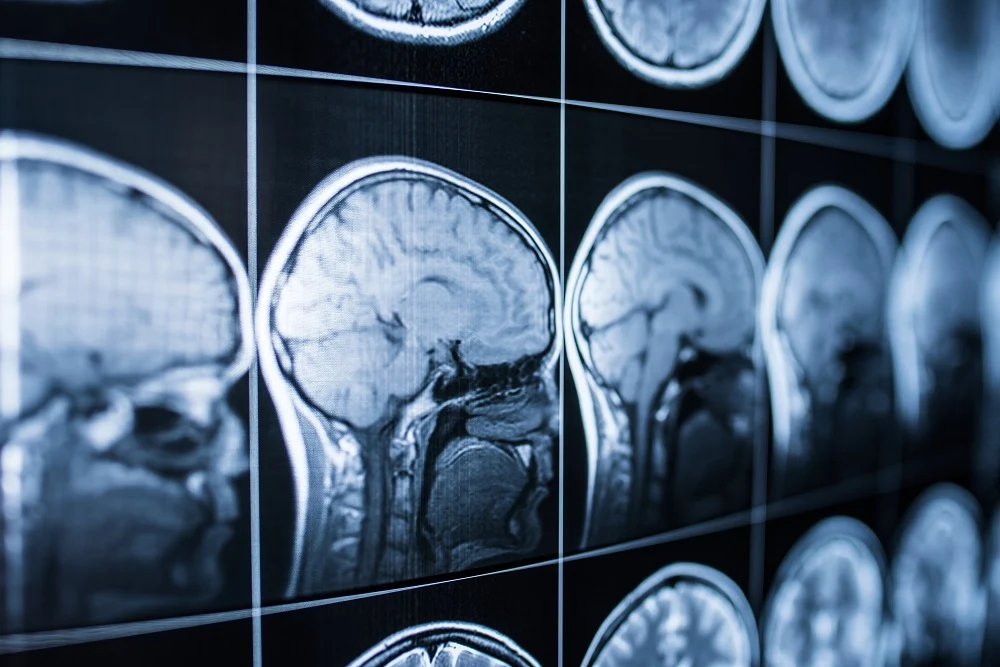
- MRI scans identify hypoxic-ischemic injury, diffuse axonal injury, swelling, or tissue damage that may not appear immediately.
- CT scans detect acute trauma such as bleeding, fractures, or surgical complications.
- EEG testing measures abnormal brain activity and is often used when seizures or anesthesia-related injuries are suspected.
- Neuropsychological testing evaluates memory, attention, and cognitive function, documenting deficits that imaging alone may not show.
Test results are reviewed alongside anesthesia logs, vital sign monitoring, nursing notes, and treatment timelines. This correlation is critical in confirming brain injuries caused by medical malpractice and distinguishing negligence from unavoidable medical outcomes.
What to Do After a Brain Injury Caused by Medical Malpractice
Taking early steps after a brain injury can protect both medical outcomes and legal rights. Documentation and continuity of care are critical.
Key actions include:
- Continue neurological care and monitoring. Brain injuries often worsen over time, and follow-up imaging and specialist visits help document their evolution.
- Secure complete medical records early. Important details often live outside discharge paperwork, including anesthesia logs, monitoring data, nursing notes, and imaging timelines.
- Track day-to-day changes. Memory problems, fatigue, mood changes, and work limitations may not appear on scans but show how the injury affects daily life.
- Limit early insurance conversations. Statements made shortly after the injury can later be used to minimize responsibility or severity.
- Be mindful of timing. New York medical malpractice claims generally follow a 30-month deadline (2 years and 6 months), with exceptions that depend on treatment timelines or birth injuries.
Medical records and expert review play a central role in showing that a defendant failed to meet accepted medical standards.
Penalties for Medical Malpractice in New York

New York handles medical malpractice through civil liability rather than automatic fines or criminal penalties. When a defendant owed a duty of care and breached it, injured patients may pursue financial recovery through a medical malpractice claim.
Key New York laws governing medical malpractice include:
- CPLR §214-a — Sets a 2.6-year deadline. Please note that other deadlines (like a "Notice of Claim") can be much shorter, especially for municipal hospitals. Seek legal counsel ASAP to ensure you don’t miss critical time limits.
- Public Health Law §2805-d — Governs informed consent and patient disclosure obligations;
- Judiciary Law §474-a — Regulates attorney fees in medical malpractice cases using a sliding scale.
Punitive damages are rare and awarded only when conduct involves reckless or intentional disregard for patient safety. There is no statutory dollar cap, but courts apply strict standards.
How Much Compensation Can You Recover
Brain injury lawsuits often involve significant compensation due to the long-term impact of the injuries. Recovery depends on the severity of harm and the resources required for future care.
Compensation may account for:
- Lifetime care costs for severe brain injury cases may reach several million dollars, depending on medical needs and life expectancy.
- Birth-related brain injury cases frequently involve structured settlements designed to fund care over decades.
- Economic damages are calculated using medical expert projections and financial analysis of future needs.
Cases involving irreversible brain damage or permanent disability may require maximum compensation to support lifetime care needs.
A Medical Error Shouldn’t Define the Rest of Your Life
We investigate medical errors, analyze treatment timelines, and assess liability under New York law. Speak with our team to discuss your legal options.
Legal Options for Brain Injury Victims in New York
Brain injuries caused by medical malpractice often leave victims facing life-altering consequences, cognitive limitations, and overwhelming financial strain. New York law provides a path for accountability when medical negligence leads to devastating injuries.
Jacob D. Fuchsberg Law Firm represents brain injury victims across New York in complex medical malpractice cases involving surgical errors, delayed diagnosis, birth injuries, and oxygen deprivation. If you or a loved one suffered a brain injury due to a medical professional’s actions, you may contact us to discuss potential legal options under New York law.