








- Loading...
Our Notable Personal Injury Verdicts & Settlements
Our attorneys pursue compensation for clients harmed by negligence and misconduct. These are some of our most recent achievements:
personal injury
$1.5 MillionFor the family of an elderly nursing home resident who died after repeated falls, an unexplained burn, and delayed medical response
personal injury
Undisclosed SettlementFor a mother and grandmother who died after negligent post-operative care included failure to prevent a Stage IV bedsore
personal injury
$4.375 MillionFor a client who suffered serious infection and partial paralysis after inadequate supervision and delayed medical treatment

View All Success Stories
Your Trusted Nursing Home Neglect Lawyers
The decision to place an older family member in a nursing home is often stressful and heartbreaking for families. They want to care for their parent, grandparent, or other relatives at home, but the person’s round-the-clock needs have simply become too difficult to handle while still managing other life responsibilities.
Families expect the facility they choose to treat their loved one with dignity, patience, and appropriate care.
Unfortunately, neglect and abuse of nursing home residents are not uncommon. If you suspect that a loved one is a victim, speak to an experienced New York City nursing home neglect lawyer at our firm today.
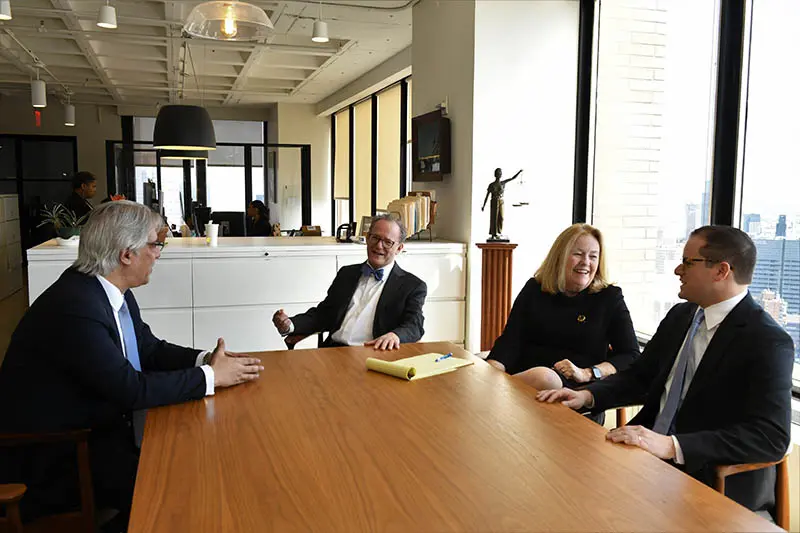
Meet Our Attorneys
Common Types of Nursing Home Abuse and Neglect

Nursing home abuse can be physical, sexual, emotional, financial, or involve abandonment or neglect. Residents may suffer serious harm when they don’t receive adequate supervision, hygiene, nutrition, medication, medical care, or other support needed to keep them safe.
- Physical abuse: Hitting, pushing, rough handling, inappropriate force, or other physical mistreatment can cause bruises, fractures, head injuries, and other harm.
- Sexual abuse: Residents who have difficulty communicating may be unable to easily report unwanted sexual contact or exploitation. Suspected sexual abuse should be reported promptly and documented.
- Emotional or verbal abuse: Threats, humiliation, intimidation, yelling, isolation, or deliberate attempts to frighten a resident can constitute mistreatment even when there is no visible injury.
- Financial exploitation: Theft, misuse of a resident’s money or property, unauthorized transactions, or pressure to change financial documents can be signs of elder financial abuse.
- Neglect of basic needs: Residents may suffer when staff fails to provide adequate food, fluids, hygiene, repositioning, medical attention, or assistance with daily activities.
- Unsafe restraint or medication practices: Using physical or chemical restraints for staff convenience, as well as medication errors or unnecessary sedation, can violate a resident’s rights.
- Inadequate supervision: Residents who are at risk of falls, wandering, or elopement may be injured when a facility fails to assess those risks or provide appropriate supervision.
- Abandonment: Deserting a resident or leaving them without necessary care or supervision after taking responsibility for their care can place a vulnerable person at serious risk.
Common Injuries and Warning Signs of Nursing Home Abuse
Abuse and neglect don’t always cause an obvious injury. Families should watch for physical injuries, as well as changes in a resident’s appearance, health, or behavior.
- Bedsores and pressure injuries: Residents with limited mobility may develop pressure injuries when repositioning, skin care, nutrition, or wound treatment is inadequate.
- Falls and fractures: Poor supervision, unsafe transfers, environmental hazards, or failure to follow a fall-prevention plan can result in broken bones and head injuries.
- Infections: Untreated wounds, poor hygiene, catheter problems, or delayed medical attention can contribute to serious infections.
- Malnutrition and dehydration: Weight loss, weakness, dry mouth, or other changes may indicate that a resident is not receiving enough food or fluids.
- Unexplained bruises, burns, or wounds: Injuries that don’t match the explanation staff provide warrant closer attention.
- Behavioral changes: Sudden fear, withdrawal, agitation, reluctance to speak around certain staff members, or refusal to see visitors may signal mistreatment.
Nursing home abuse or neglect can also lead to death. If a resident dies because of negligent or wrongful conduct, the estate may have grounds for a wrongful death claim.
Your Family Deserves Answers After Nursing Home Abuse
If a nursing home’s negligence has harmed someone you love, our team is ready to investigate and fight for the compensation your family deserves. Call today for a free, confidential case review.
Schedule a Free ConsultationWhen Can a Nursing Home Be Liable for Abuse or Neglect
Nursing home administration may not have committed an abusive or negligent act themselves. However, they can be the subject of an investigation by nursing home abuse attorneys when they contribute to the problem through one or more of these actions:
- Negligence in hiring or inadequate training: A facility is generally responsible for the negligence of the nurses, aides, and other employees caring for residents. Nursing home administration must hire staff who have the experience and education the job requires. They must also conduct a background investigation to rule out potential employees with a criminal record, particularly those who have abused a vulnerable adult in the past. Employees also need initial and ongoing training so they have the skills to properly care for residents.
- Resident-on-resident harm: The nursing home may also be liable for injuries caused by other people on its premises: for example, if one resident attacks another because the facility failed to provide adequate security.
- Understaffing: The nursing home must have enough staff members so every resident gets the care they need. Understaffing threatens resident safety. It also burns out the staff who remain, leaving overworked caregivers with little patience or capacity for compassionate care.
- Violations of residents’ rights: Under Public Health Law § 2801-d, a facility can be liable when it deprives a resident of a right or benefit created by state or federal law, regulation, or the admission contract, and that deprivation causes injury.
You do not need to have a specific incident in mind to contact a nursing home neglect attorney. Every person who resides in such a facility has the right to dignity, privacy, and personal autonomy.
Compensation Available in a Nursing Home Abuse Case

Compensation depends on how the abuse or neglect affected the resident. Under New York Public Health Law § 2801-d, a nursing home may be liable when a resident is injured because the facility deprived them of a protected right or benefit.
A claim may seek compensation for:
- Physical and emotional harm: Including pain, suffering, emotional distress, and injuries caused by abuse or neglect.
- Medical expenses: Costs of treatment, hospitalization, rehabilitation, or additional care caused by the resident’s injuries.
- Financial losses: Money or property lost through financial exploitation or other misconduct.
- Wrongful death losses: When abuse or neglect causes death, the estate may pursue qualifying medical and funeral expenses and other financial losses recognized under New York law.
- Punitive damages: Available under § 2801-d when the facility’s violation was willful or showed reckless disregard for the resident’s rights.
Our law firm can review the harm suffered and determine which types of compensation may apply to the case.
How to Protect Nursing Home Residents from Abuse
Nursing home abuse and neglect often go unreported because residents can’t easily speak up for themselves.
If you suspect abuse or neglect:
- Get emergency help: If the resident is in immediate danger or needs urgent medical attention, call 911 first.
- Report your concerns: Contact the nursing home administrator and file a complaint with the New York State Department of Health.
- Preserve evidence: Keep photographs, medical records, incident reports, communications with the facility, and notes about what you witnessed.
- Avoid escalating the situation: Do not start a confrontation that could put the resident at greater risk.
- Ask about legal options: Our nursing home abuse attorneys can review what happened and determine whether further investigation is warranted.
Anyone may file a complaint with NYSDOH. The Department prefers written complaints through its online Nursing Home Complaint Form and generally reviews occurrences from the past year. If you can’t use the form, call the Nursing Home Complaint and Discharge Appeal Hotline at (888) 201-4563, which takes calls 24/7 and is staffed on weekdays. DOH keeps your name confidential as a matter of policy but may need to share details with the facility to investigate.
If you’re not satisfied with the facility’s response, our nursing home abuse lawyers in New York City can help.
Why Families Choose Jacob D. Fuchsberg Law Firm for Nursing Home Abuse Cases
Our New York City attorneys investigate medical records, care plans, staffing issues, incident reports, and other evidence tied to a resident’s injuries.


- Decades of injury litigation experience: Our firm has represented injured New Yorkers for more than 40 years.
- Detailed case investigation: We examine the care provided, what went wrong, and who may be responsible.
- Experience with serious nursing home injuries: Our lawyers handle claims involving falls, bedsores, infections, medication errors, and other preventable harm.
- No fee unless we recover compensation: We handle nursing home abuse cases on a contingency-fee basis.
If you suspect that a nursing home failed someone you love, our team can review the circumstances and determine whether the facts support a claim.